In Egypt on Nov. 22, President Mursi decreed that 1) no authority could revoke his decisions, 2) the judiciary was barred from dissolving the assembly writing the new constitution and 3) he was authorized to take any measures to preserve the revolution or national unity or to safeguard national security.
Opponents of Mursi accused him of taking too much power, and many civil judges said they would suspend their work until the constitutional court rules about the decree. Demonstrations spread. In many cities across Egypt, hundreds of thousands protested both for and against the decree.
Until a parliament is elected, Mursi holds both executive and legislative powers. A controversial draft constitution was passed by the assembly on Nov. 29 and was scheduled to go to a referendum vote by the people within 15 days. If passed, elections for parliament would begin. Protests were certain to continue through January.
Similar articles
-
 November 2026
 Editors' Note
-
 November 2026
Touching Caravaggio: A Blind Man’s Tour of the Vatican Museums
-
 November 2026
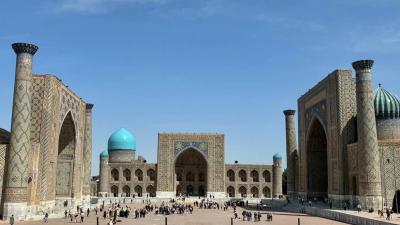
A Silk Road Adventure
-
 November 2026
Impressions of Greenland
-
 November 2026
Sailing the West African Coast
-
 November 2026
An Insider’s Guide to Better Travel Planning with AI