The law says I’m blind. I no longer have a driver’s license, but people who’ve been in the car with me say with love that this is not a great loss. I like to think of myself as visually impaired as I still have some decent central vision.
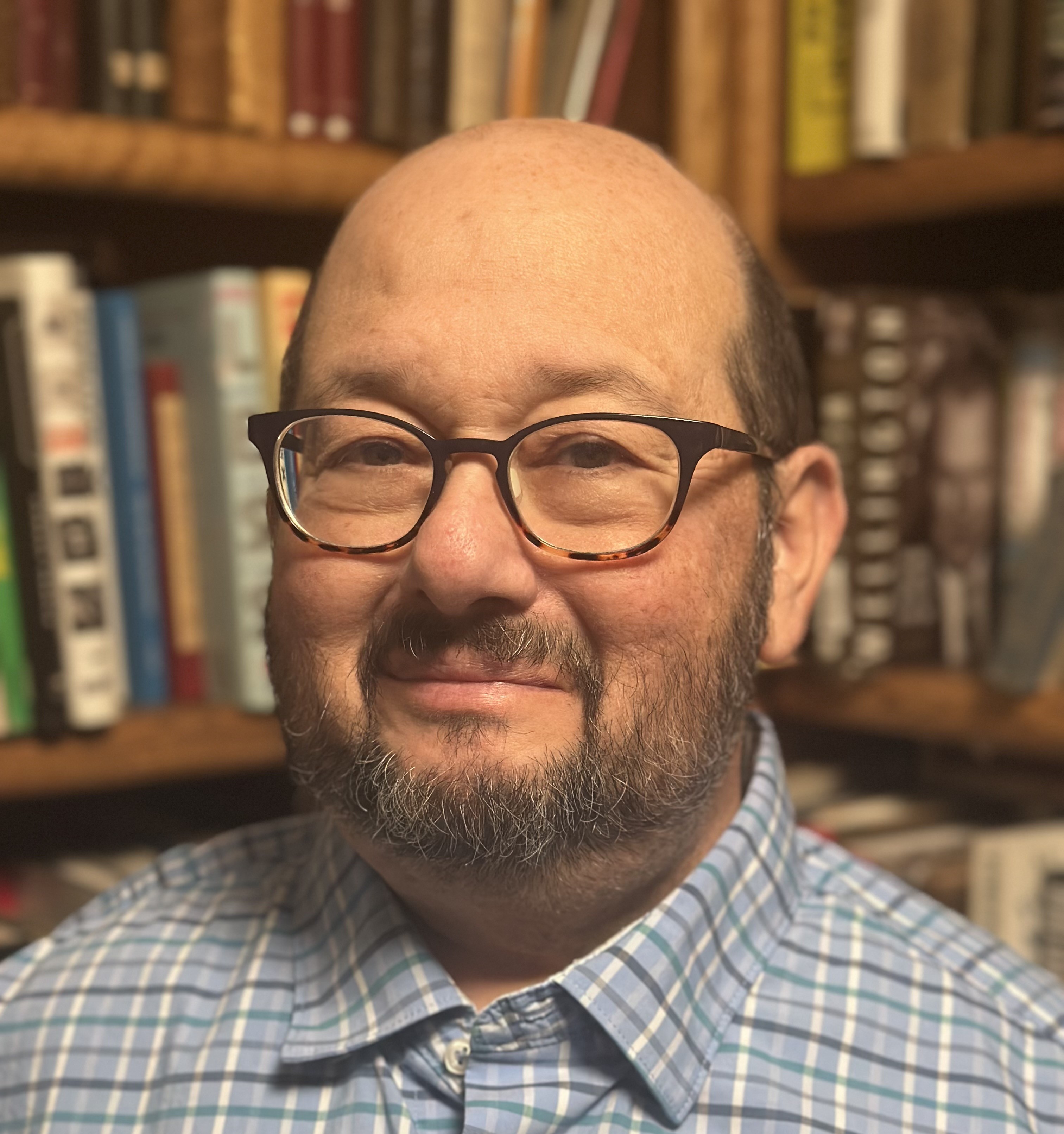
For all practical purposes though visually impaired is just another way of saying blind.
When my peripheral vision started narrowing and much of the rest of my vision became hidden behind a curtain of cataracts, my first reaction was one of self pity.
Complicating things was a shift from color vision to more of a black-and-white spectrum...50 shades of grey vision.
As someone who loves art, this was a depressing development. Going to museums has become an exercise in trying to remember paintings the way I used to see them. It’s easier with black-and-white Jackson Pollock drip canvases than with Piet Mondrian’s vibrant Boogie Woogie paintings.
I bring this up so you get a sense of who I am and why I’m writing about traveling while visually impaired; traveling that way isn’t all that different than traveling with other disabilities. My wife and I like to travel. My hope is that some of our lessons, some of our experiences, will help pave the way for others.
Rockstar Experience at the Vatican Museums
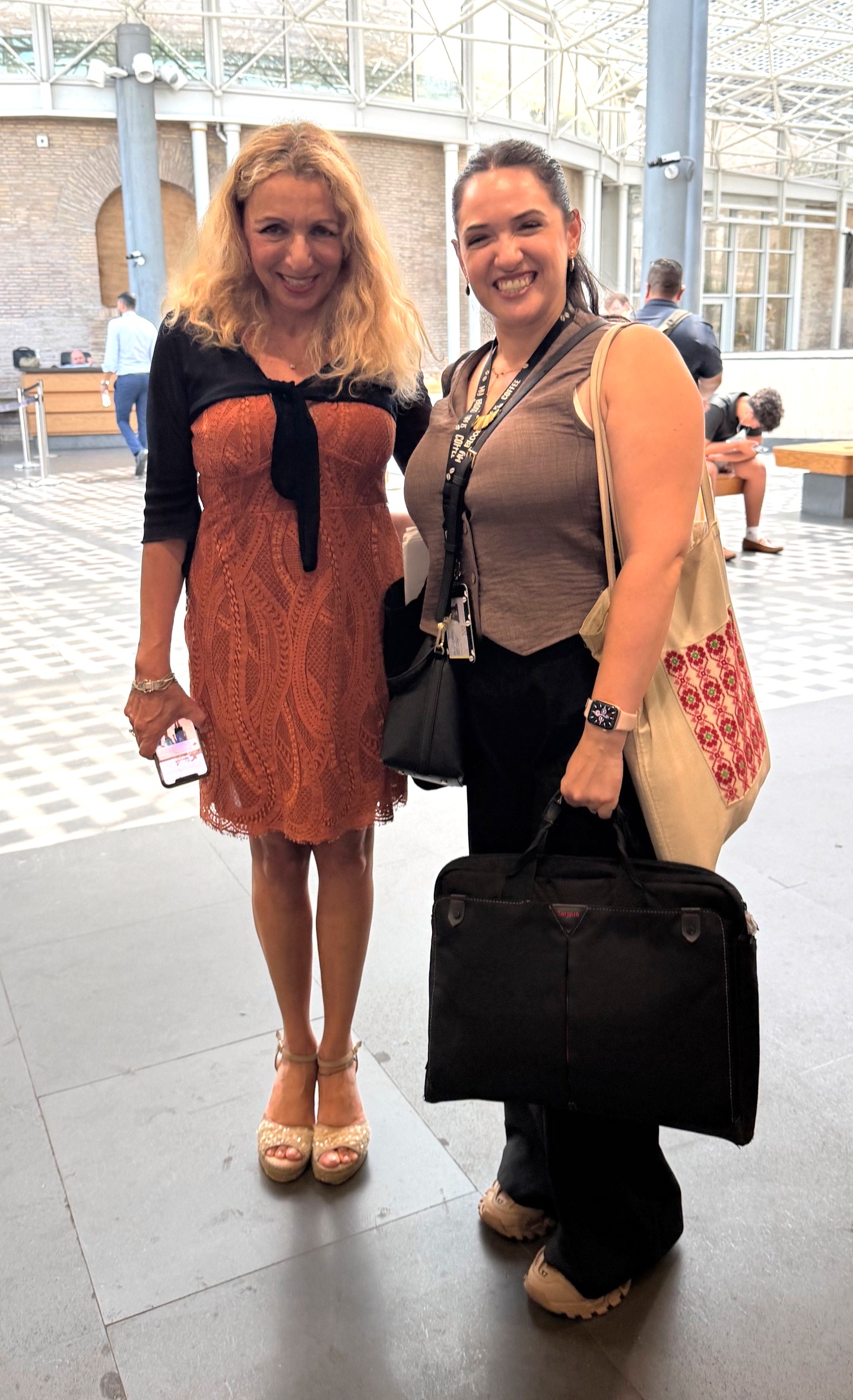
A 27-year-old student associate at the Vatican Museums, Sara Abusier is a guide for the visually impaired.
“It is important to make the art accessible for all,” she says. “There is so much beauty, so many ways to experience that beauty.”
Sara works for Isabella Salandri, the Chief Accessibility Officer of the Vatican Museums. In 2011, Salandri worked with accessibility groups to make the Vatican Museums more welcoming for people with disabilities.
One of the biggest changes was making it easier for people with disabilities to get in — a real benefit given the museums welcome millions of visitors each year.
Instead of waiting, visitors with disabilities can just walk inside, skipping the line. It was 100 degrees the day we visited and moving indoors where there was some air-conditioning was like winning the lottery. Once inside, we were directed to the Special Permits Desk.
Admission was free for me and my wife, Amy. At the desk, we waited for just a few moments before Sara and Isabella greeted us.
Sara is one of several museum guides specially trained by Isabella to help people with disabilities enjoy their visit. More than just enjoying it, I got the sense that despite my sight deficit, there was nothing I didn’t learn.
In several cases, I believe my visit was more enhanced than that of a sighted person.
Thanks to Isabella, the museum constructed 3D representations of several pieces of art including Caravaggio's Deposition. The museum also created an area with around a dozen sculptures that visitors can touch.
As Sara guided my hands over the sculptures, describing what I was seeing, she also told me the story of the art. She taught me about history, style, and technique. I did not have to wear headphones or carry a playback machine. I did not have to worry about keeping up with a tour group.
It’s hard to describe the thrill of running your fingers across a representation of a painting.
Sara told me what I was feeling — someone’s robe, their face, their hair. She described the buildings, the scene and, for me, something that was truly amazing, the colors.
Since I lost my sight later in life, I spent decades experiencing colors, absorbing them. So, when Sara told me about the blue sky and the red robe, I had a full picture in my mind.
The Vatican Museums treat people with disabilities as priority visitors. Sara was quick to clear the path for me. When we stopped at the representation of a painting, she shooed away sighted people.
“This is not for you,” she told some visitors who approached as I was experiencing the art. “You can step back and look at the art.”
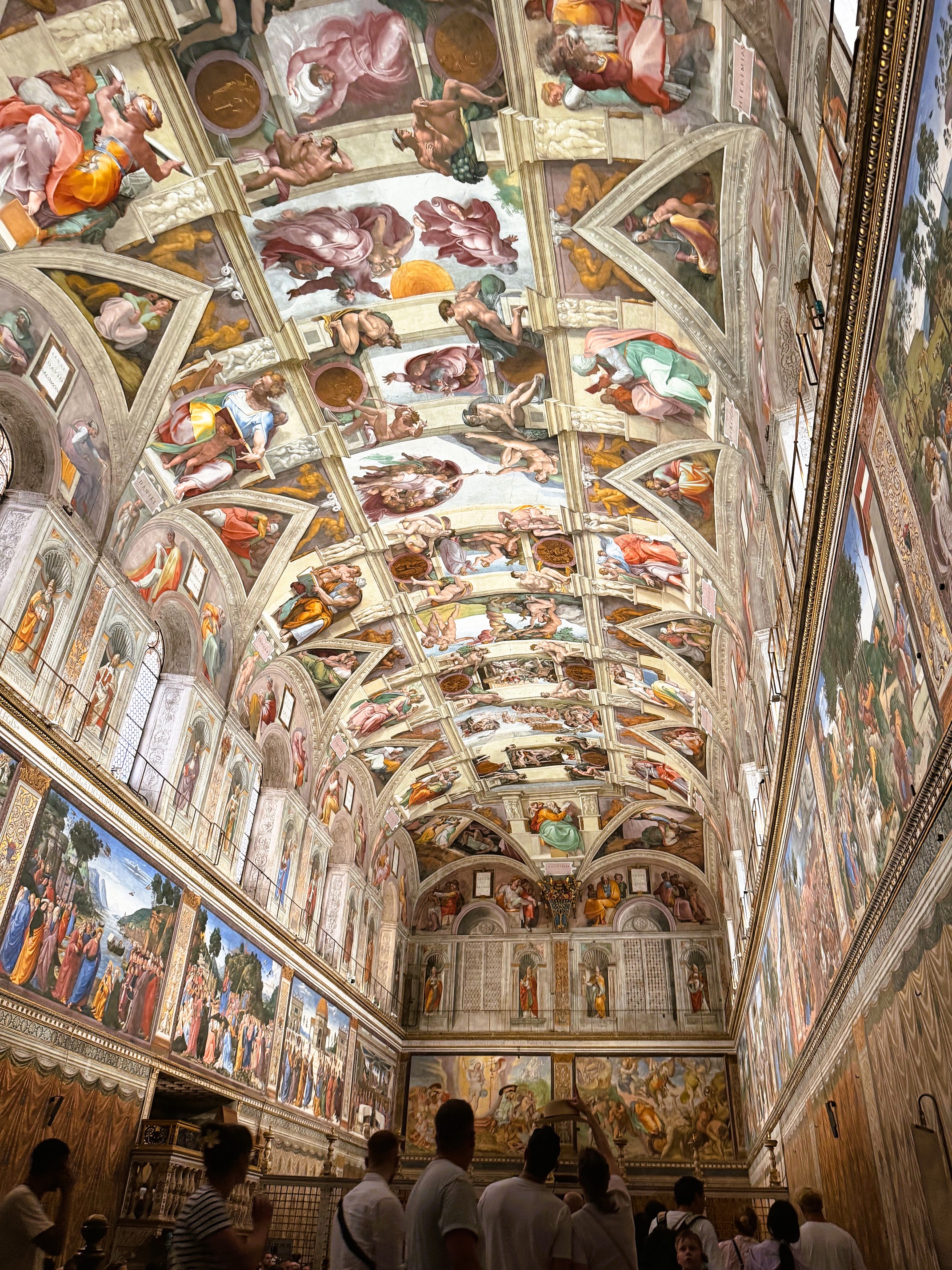
When we got to the Sistine Chapel, instead of having to mix in with the scores of visitors on the main floor, Sara led us to an area next to the altar where we could sit in a roped-off area and take in the grandeur.
This area is where the stove is placed for the burning of ballots during conclaves when new popes are elected. Sara directed our attention to a window above us. That, she said, is where the smoke comes out for the faithful to see. When it came time for her to leave us, Sara arranged for a member of the Swiss Guard to escort us.
If You Go
Isabella has made sure that the Vatican Museums are prepared for visitors facing all sorts of challenges. There are maps and marked routes for people in wheelchairs. There are guides who can communicate with deaf visitors in Italian Sign Language and American Sign Language.
For each person with disabilities there is someone like Sara — someone trained by Isabella and eager to help visitors experience such an important place.
“We want to open this to people no matter what their background is, no matter what challenges they may face,” Isabella said.
“This is a place for everyone.”
To plan a trip to the Vatican Museums, a good place to start is the Accessibility page on their website, which has areas for people who are deaf and people who are blind. There is also a map showing accessible areas.
Isabella and Sara urge people to get in touch with their office at least two weeks before their visit. The tour lasts about two hours.
To reach Isabella and her team, email accessibilit.musei@scv.va.
A veteran reporter for outlets including The New York Times and The Washington Post, Colin Miner covers accessible travel for ITN. He is writing a book and has a Substack newsletter, Colin Miner Ink.