Several years ago, when I had visited 135 countries, I realized I’d knocked off my bucket list many times over. The answer to “what next?” came to me when I read about a three-week cruise offered by Regent Seven Seas Cruises (rssc.com) called Cape Town to Lisbon -- West African Adventure. The itinerary promised to land in some of the smallest, most economically challenged, least-visited countries.
If you are tired of the predictable, the overcrowded, and the overrated, this is a trip for you.
My husband and I flew to Cape Town, South Africa, to join the cruise. While this city is one of the world’s most recognizable leisure destinations, it’s not yet one of the most visited. On my fourth visit, I was struck by the rapid evolution of its skyline, with new high rises and luxury condo developments underscoring an increasingly vibrant, cosmopolitan culture.
The city’s timeless anchor remains Table Mountain, one of the New7Wonders of Nature (nature.new7wonders.com). From our two-bedroom sea-view suite at the Radisson Collection Hotel Waterfront (radissonhotels.com), we watched its iconic flat top catch the sunlight. The splurge proved worth it for the panoramic vistas across Table Bay. Through Regent’s shore excursions, we ventured beyond the urban core to the Cape Town Ostrich Ranch (capetownostrichranch.co.za) for an informative look at these impressive birds followed by a tasting of delicious organic wines at the Durbanville Hills Wine Estate (durbanvillehills.co.za).
Namibia and São Tomé
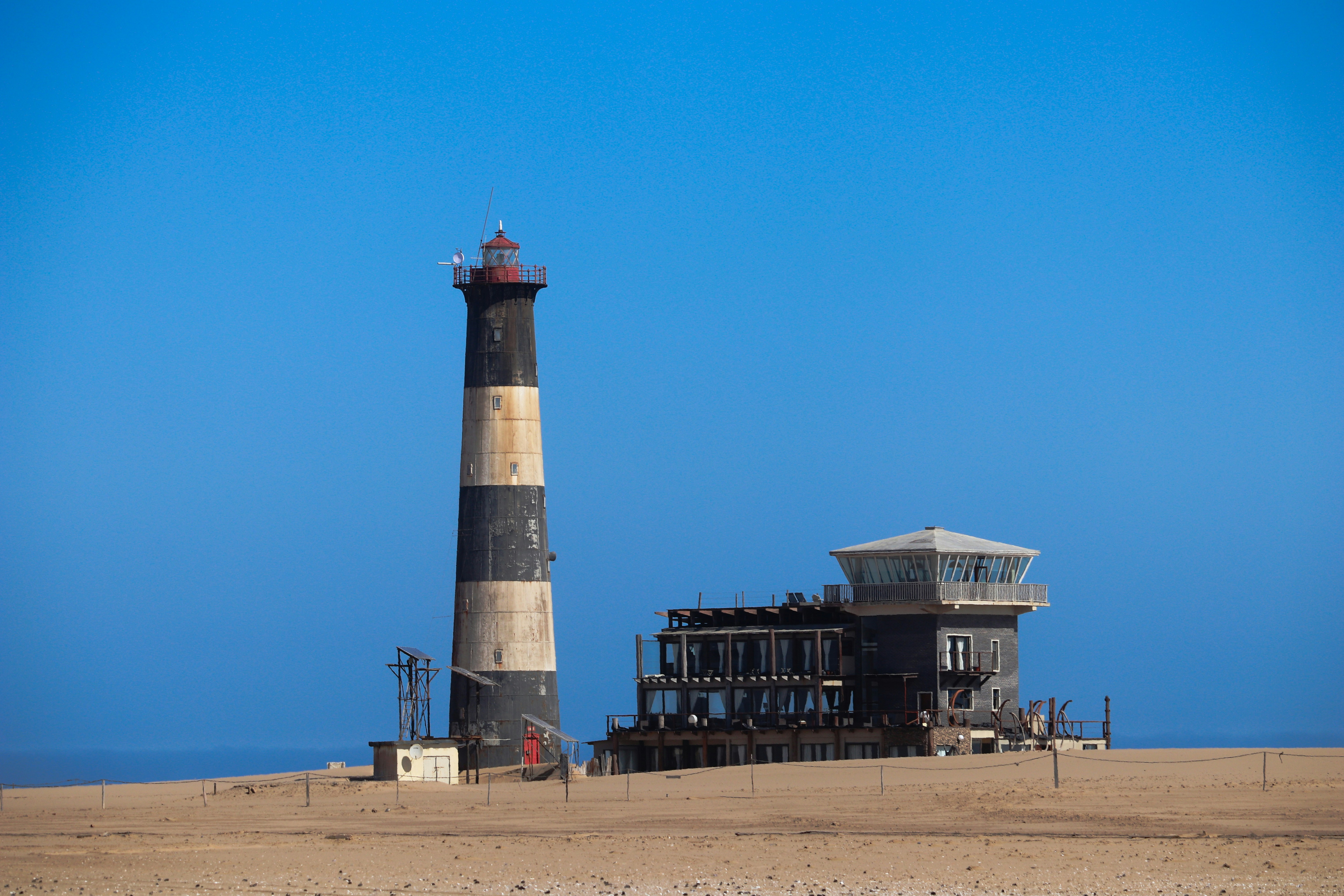
Sailing north, our first official port of call was Walvis Bay, Namibia. This deep-water port is shielded by the Pelican Point sand spit, creating a coastal wetland of international ecological importance. Here, the icy Benguela Current collides with the hot Namib Desert air, providing vital moisture to the desert-adapted plants. The lagoon was alive with wildlife. During our speedboat tour, we had close encounters with hundreds of Cape fur seals, including one that hopped into our boat. Several pelicans joined us onboard too, including one that landed comfortably on the head of a fellow traveler. The flamingos, more prudently, lined the shores.
After three days at sea, we reached São Tomé and Príncipe, Africa’s second-smallest nation. This volcanic archipelago sits isolated in the Gulf of Guinea, carrying a heavy history as a Portuguese colony built on slave labor and brutality. During the colonial era, which ended in 1975, the island’s economy was driven first by sugar and then by coffee and cocoa plantations known as roças. At its peak, São Tomé was the world’s leading cocoa producer, home to more than 800 plantations. Today the country has placed its economic bets on tourism and foreign investment, although a few renowned chocolatiers such as Diogo Vaz and Claudio Corallo make sublime confections from the islands’ cocoa.
Visiting on a Saturday market day, we could see the country was a dumping ground for the cast-off clothes and shoes of wealthier nations, piled in stacks for sale on the sidewalks. Yet just outside the chaos of the city, the island revealed a lush, tropical wilderness that had reclaimed old crumbling plantations and preserved an exceptional biodiversity that now attracts nature enthusiasts.
Togo and Ghana
Our next stop was Togo, a narrow strip of land bracketed by Benin and Ghana, classified by the UN as one of the world's least-developed countries. Togo’s complex history includes periods of German, British, and French colonial rule. French remains the official language and roughly 40 indigenous languages are spoken. For two centuries, its shoreline was a major hub for the European slave trade, earning the corridor the somber moniker the “Slave Coast.”
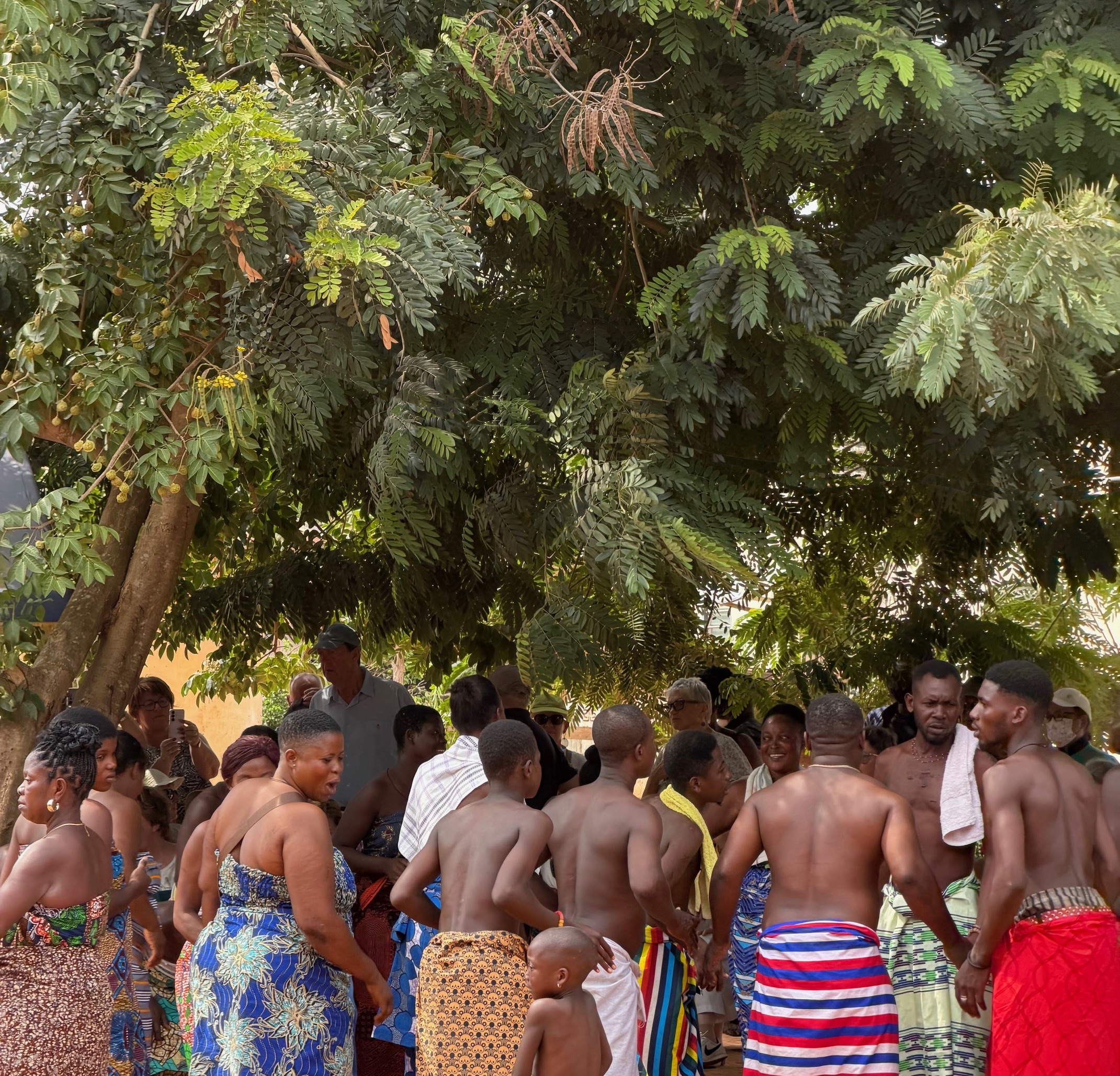
Togo is a heartland for Voodoo (locally called Vodun, meaning spirit or divine entity), a deeply respected, living religion. Driving an hour outside the capital of Lomé into a rural village, we were privileged to witness a ceremony. In Vodun belief, ancestors are active guardians of the living. Ritual drumming, chanting, and dancing induced trance-like states in which spirits are thought to temporarily possess practitioners to deliver counsel or healing. We learned that the concept of sticking pins into a doll to do harm was a Hollywood invention.
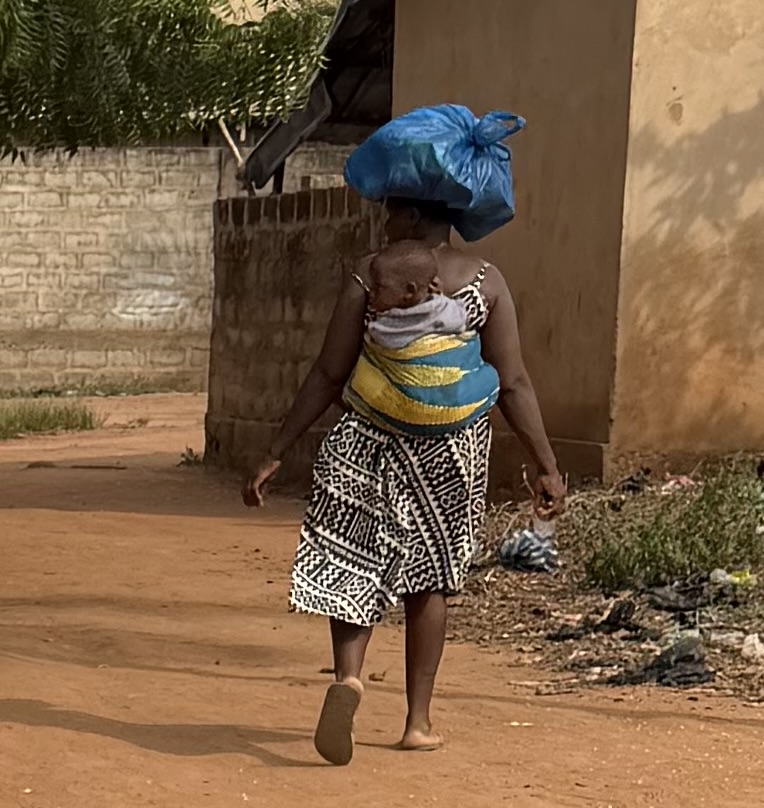
The following day’s port was Sekondi-Takoradi, Ghana. Part of the Gold Coast, Ghana has reserves of gold, bauxite, and other resources. It gained independence from its colonial rulers in 1957, the first of the West African nations to do so, inspiring others to follow. Since independence, success has risen and fallen. I was sad to see that a fair number of historic colonial buildings have fallen to ruin.
However, the bustling Albert Bosomtwi-Sam Fishing Harbour, a major maritime facility originally constructed with grant money from Japan, is a model of efficiency. It has its own ice-making plants and on-site processing facilities that immediately handle the catch brought ashore every afternoon in colorful wooden vessels. Observing those vessels and the people working them were a highlight.
The Gambia
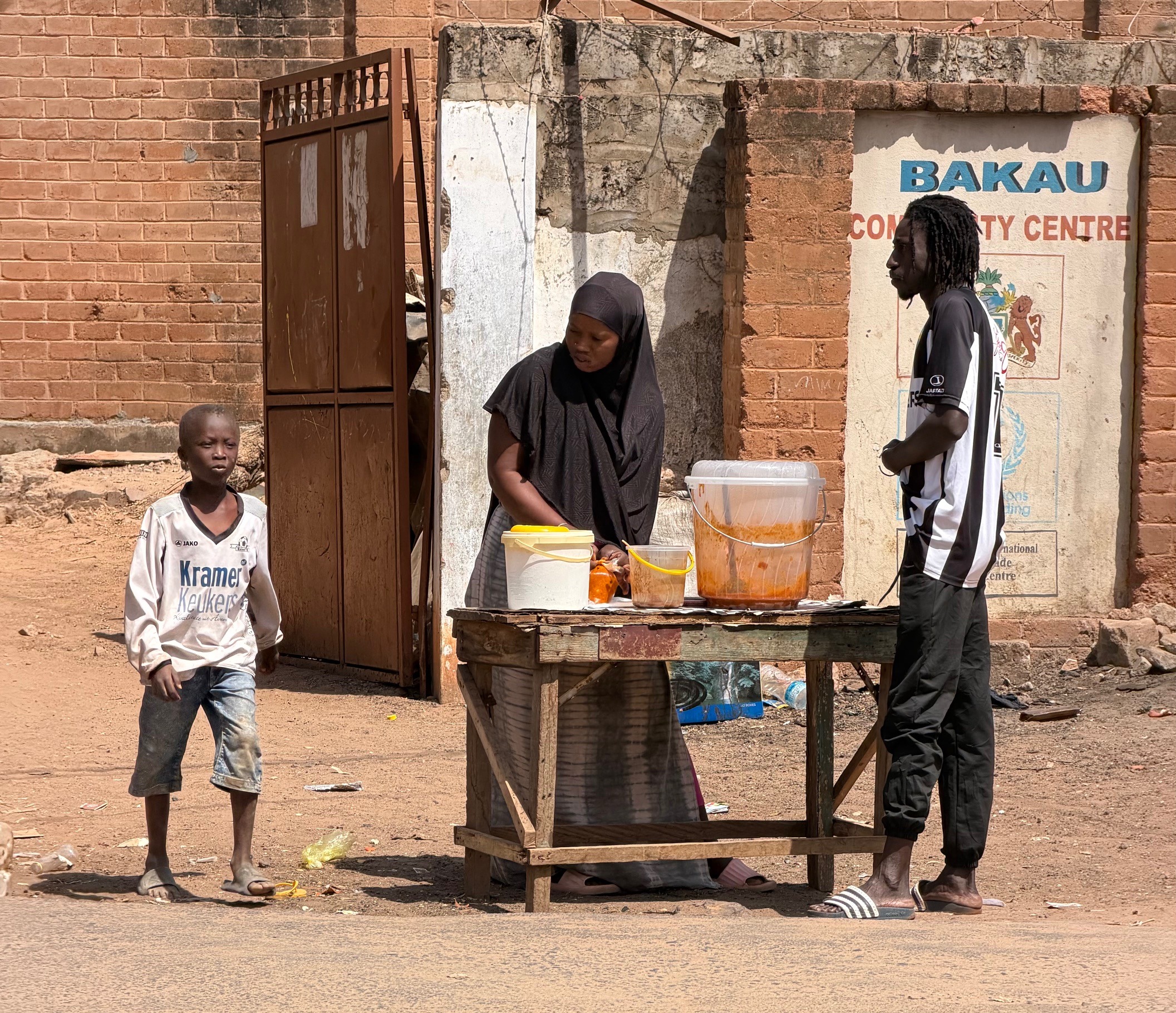
Another three-day stretch at sea brought us to The Gambia, the smallest country on mainland Africa. Bounded by Senegal on three sides (the fourth abuts the Atlantic Ocean), this English-speaking, predominantly Muslim nation gained independence from Britain in 1965. The country's economic realities were sharply divided. Tourist resorts along the Atlantic coast were quite lovely as were the guarded mansions in wealthy enclaves nearby. Elsewhere, citizens eked out a living as subsistence farmers with remittances from relatives abroad, if they were lucky. Aside from peanut oil production, there were few industries.
Albert Market in Banjul, the capital, was a sensory overload of color and sound. Banjul is known as the gateway to the “Smiling Coast of Africa,” referring to the region’s hospitality. Locals told us that despite their limited means, people here were happy. I had my doubts, especially as our talented guide, who spoke four languages and was a teacher by profession, kept emphasizing that without tips from tourists, he would be dependent on others for food.
São Vicente and Tenerife
A run across open ocean brought us to Mindelo on the island of São Vicente. It is part of the African country of Cape Verde, which has been independent from Portugal since 1975. The island, one of 10 that make up the archipelago, was spectacularly scenic. It was photogenic from the top of Mount Verde, the island’s highest peak, to its beaches and the deep-water natural harbor of Porto Grande Bay. Mindelo’s buildings were a charming blend of Portuguese colonial architecture and newer African-influenced structures.
Our final stop was Tenerife, the largest of the seven main Canary Islands. Spain’s southernmost autonomous community, the Canaries are about 60 miles off the northwest coast of Africa. Historically, the island chain was called “the Fortunate Isles,” and they certainly were beautiful, with many beaches, a subtropical climate, and excellent wines and goat cheeses.
This archipelago has become a leading European destination with more than 16 million annual visitors. The southern coasts of Tenerife, Gran Canaria, and Lanzarote were packed with resorts, beaches, and nightlife. To escape the crowds, head north or to the smaller, lesser-known islands.
My West African adventure ended in Lisbon, but the experience has stayed with me. My travel map wasn’t the only thing that expanded: My cultural frame of reference and perspective of tourism’s impact on destinations broadened as well.
Our 2026 cruise was on the Seven Seas Voyager; in 2027, a very similar trip is offered on their Seven Seas Navigator.
Margaret Swaine is a wine, spirits, food, and travel writer who has explored 140 countries.