I enjoyed reading Rick Steves’ article about Pablo Picasso (May ’16, pg. 55). Although I’m far from a fan of Cubism, there is one work by Picasso that I really, really like, and that is “Guernica,” which depicts the artist’s reaction to the German bombing of the Spanish town of Guernica in 1937.
The painting is on display at the Museo Nacional Centro de Arte Reina Sofía, situated in Madrid near the Atocha railway station and a short walk from The Prado.
When I viewed it during a trip to Spain in 2003, I expected to find a multicolored artwork. Its essentially black-and-white representation — appropriate, given the piece’s historical background — added significantly to my appreciation of the artist’s masterpiece.
I believe that a multicolored version of “Guernica” would have downplayed the gravity of the painting, with viewers possibly giving it no more than a passing glance. It’s my opinion that Picasso’s ultimate goal was to instill in his audience the necessity to think.
In a museum in Europe many years ago, I saw two depictions of the Crucifixion side by side. One painting had been done in a variety of colors. The other (by Albrecht Dürer) was done solely in dark green and black. The latter seemed to more effectively urge the viewer to think, similar to what Picasso’s “Guernica” can do.
ROBERT A. SIEBERT
Jamaica, NY
Similar articles
-
 November 2026
In Cuba, Art Is the Ultimate Act of Resilience
-
 July 2021
Rick Steves’ Europe: Hair-trigger flamenco in Andalucía
-
 March 2021
Rick Steves’ Europe: Florence: City of art
-
 March 2021
Rick Steves’ Europe: Arcos de la Frontera: Nuns’ cupcakes and donkeys in the bell tower
-
 February 2021
Rick Steves’ Europe: Strolling Córdoba’s back streets
-
 January 2021
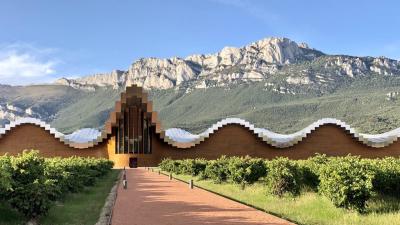
Sharing Spain with friends on a visit to the Basque country