Two stories get told about this island — that it’s frozen in time or that it’s collapsing. Both are ways of not looking.
Rum, cigars, coffee, and rumba may be Cuba’s claims to fame. Spend a week with the people who make things here, and something deeper comes into focus that has little to do with nostalgia and everything to do with endurance. In a place where the lights go out regularly and supplies are scarce, Cuba’s artists and designers are producing world-class work, not despite the hardship, but as a way through it.
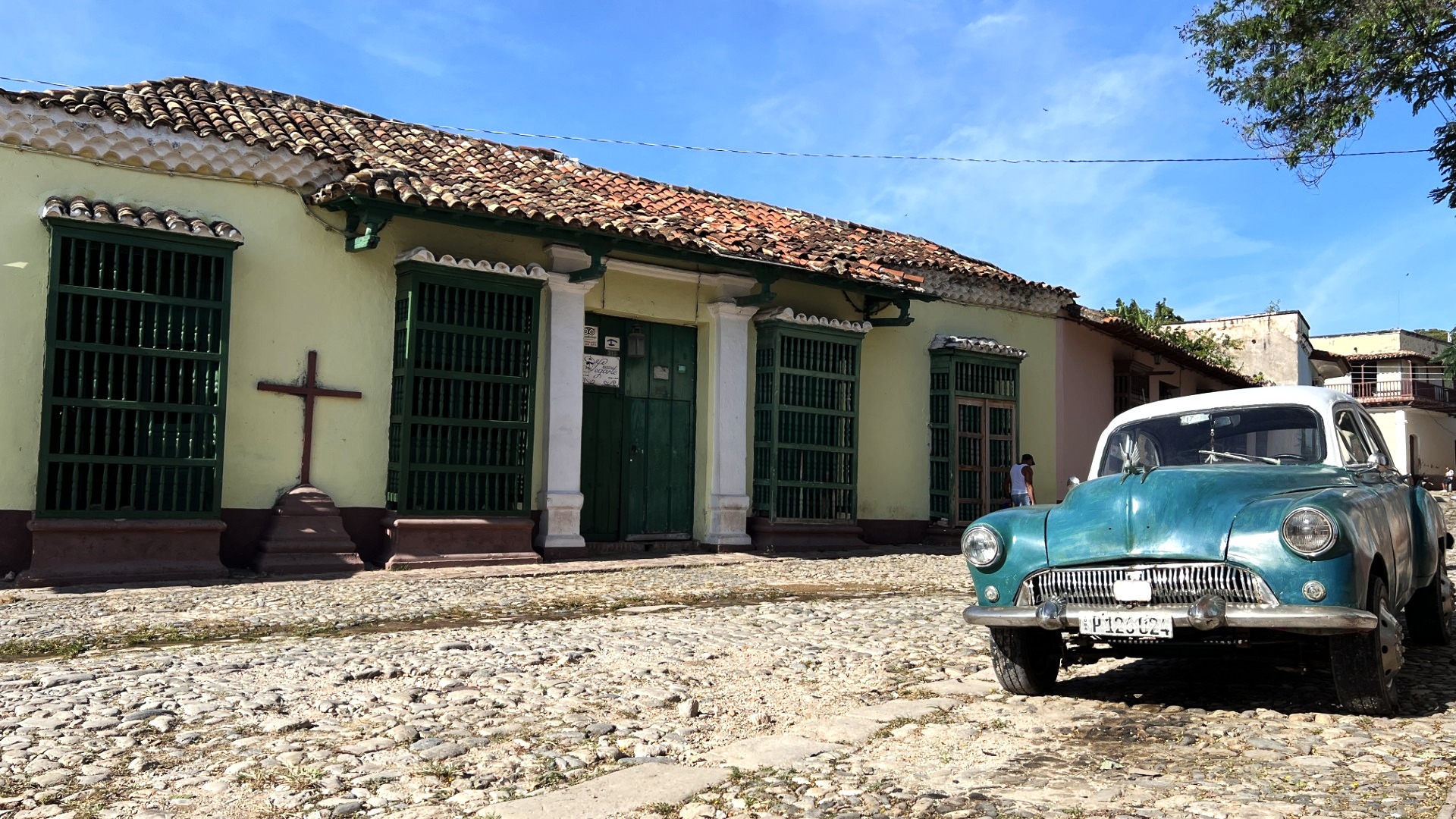
“Art, and we could say entertainment, are part of Cubans’ survival kit,” said José Pineda, the Cuban-born owner of AC Journeys (acjourneys.com), which arranged my trip. I arrived with the familiar picture many Americans carry of Cuba: faded pastel façades, a ’55 Bel Air, and the curl of cigar smoke. Then, a black sequined sheath stopped me in a Havana showroom.
Fashion Forward
The cutouts, designer Alexandra Kopachkov Fumero told me, mimic Cuba’s black coral. On the flight home, I couldn’t stop thinking about the arithmetic behind it: a dress draped by hand on a mannequin, two weeks of work in a country where the power fails without warning, and silk that had to cross an embargo. Alexandra made it anyway.
Casa Fumero (instagram.com/casafumero) occupied a Havana boutique designed to feel like a home. Alexandra’s mother, Jacqueline Fumero, built one of Cuba’s most respected fashion labels from her own home before her death in 2022 at age 56. “My mother was a fashion pioneer in Cuba, creating garments of silks, chiffons, and embroidery with Swarovski crystals and mother of pearl,” Alexandra told me. “Her clothes stood out and spoke to Cuban elegance suited to our tropical climate and lifestyle.” Alexandra inherited her mom’s label, the sketchbooks, and the team.
“There are few Cuban designers known outside of Cuba, so I want to expand the brand beyond Cuba and continue her legacy,” Alexandra said.
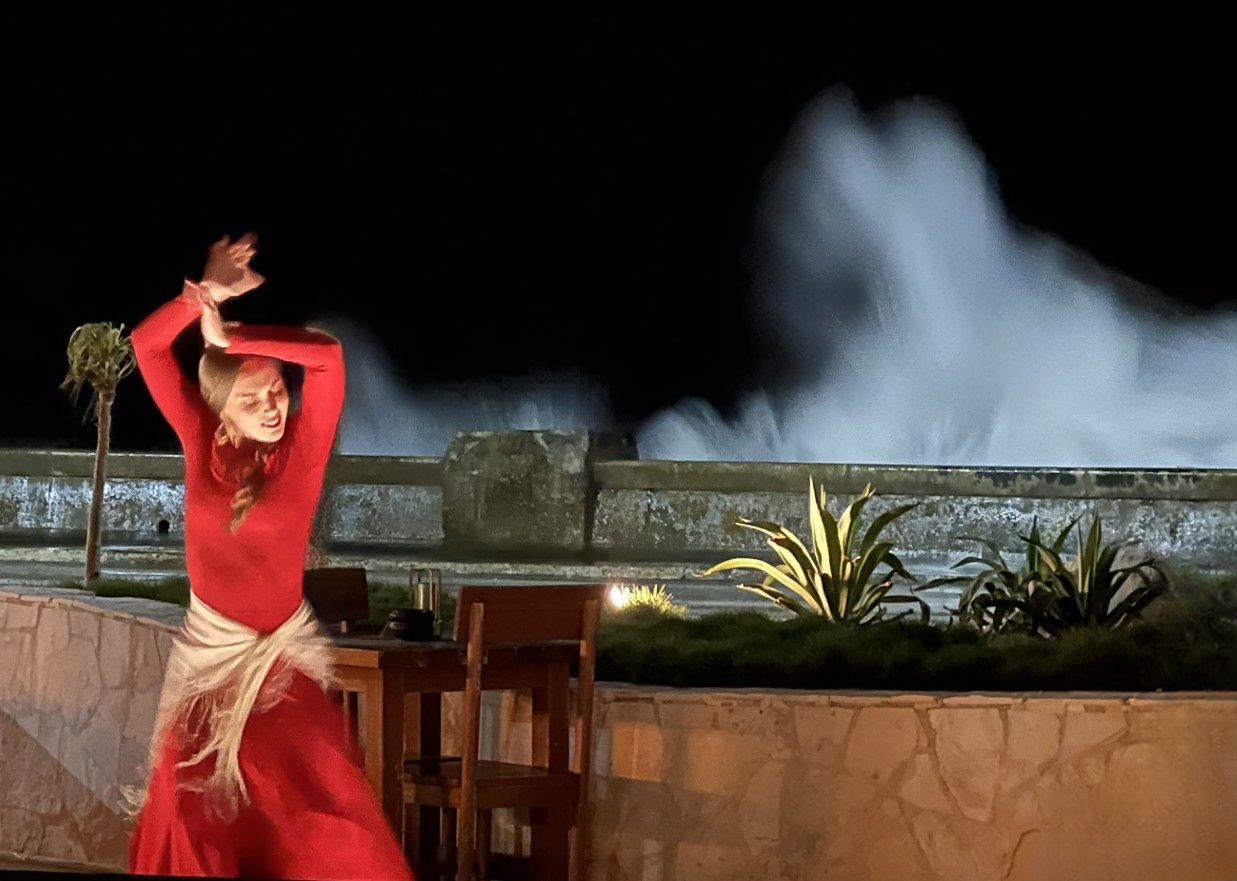
A few blocks away in Old Havana, I stepped inside Dador (wearedador.com), founded by three women: Lauren Fajardo, Ilse Antón, and Raquel Janero. Every piece was sewn by hand in the label’s Havana workshop using natural fibers chosen for the climate. “Dador means ‘the giver’ in Spanish, and we want to give the world another perspective on Cuban fashion,” the brand’s sales manager, Dianna Alejo, told me. “For many years, Cubans didn’t want to buy or wear clothing made in Cuba.” When I asked why, her answer was blunt and a little funny. “Cuban-made fashion wasn’t cool,” she said. “The clothing tended to be very tight and made with lots of polyester.” Today, Dador sells online to international customers, making it one of the few Cuban fashion brands earning revenue from beyond the island.
I’ve covered design in fashion capitals across Italy, Spain, and Mexico, where creativity is supported by resources Cuba’s designers can scarcely imagine. Yet, dare I say it, Cuba may be more interesting right now. At its core, design is the discipline of solving problems within constraints. Remove those constraints, and design can slip into decoration. Tighten them beyond comfort, and the result is either collapse or invention. For more than six decades, Cuba has been living through an extreme version of that experiment.
Vintage Cars and Vibrant Art
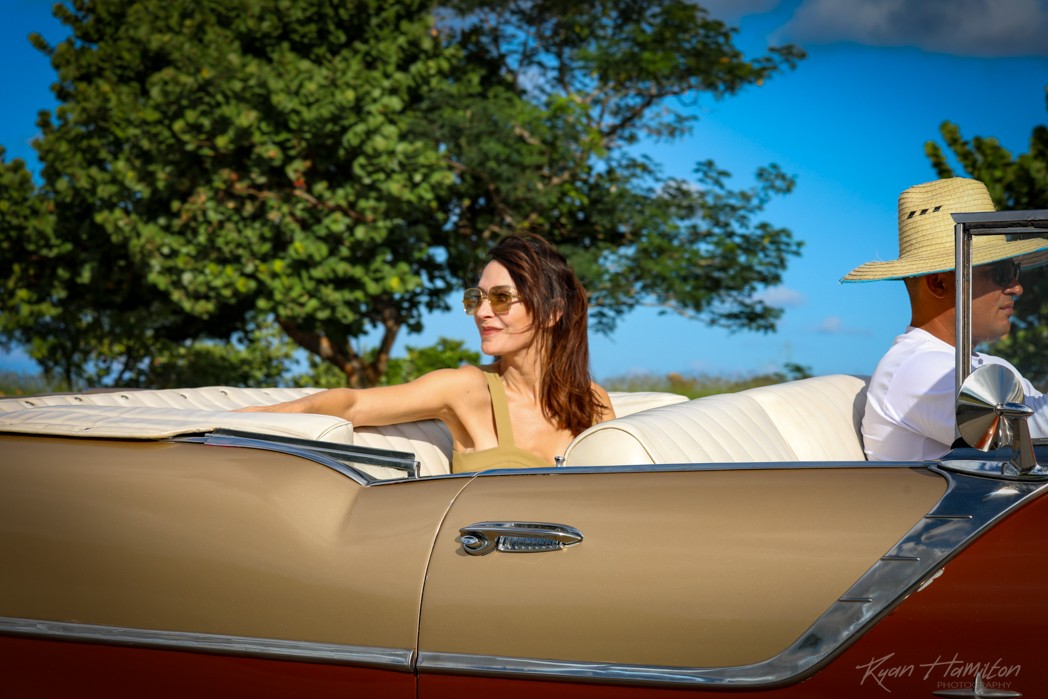
Cuba’s vintage cars are the most obvious example — and perhaps the most misunderstood. Cubans call them almendrones, or “almonds:” beautiful shells sustained by scavenged parts. Julio Álvarez, who runs Nostalgicar (nostalgicarcuba.com) in Havana, spends as long as nine months rebuilding a car from its bare frame, hunting for components “like a hamster,” as he put it. Tourists see nostalgia. I see one of the modern world’s great feats of adaptive engineering: machines kept running by hand, without a reliable supply chain.
That same instinct manifests at Callejón de Hamel (instagram.com/callejondehamel) in Havana’s Cayo Hueso neighborhood. Murals, mosaics, and sculptures fashioned from salvaged materials cover the alley. The late artist Salvador González created Callejón de Hamel from discarded objects. “He didn’t have money for sculptures, so he found items in the garbage and turned them into artwork,” his assistant, Elias Hassef, told me.
González began transforming the alley in 1990, as the Soviet bloc collapsed and Cuba entered an economic crisis that would cost the country roughly a third of its economic output. At the threshold of its hardest decade, a man with no money began creating monumental public art from what others had thrown away. You could read that as folly. I read it as the grammar of Cuban design: improvisation hardened into an aesthetic. Once I learned to read it, I saw it in every discipline on the island.
At Plaza de la Catedral, I encountered a very different kind of art space making the same argument. Founded in 1962, Taller Experimental de Gráfica is a printmaking studio where artists still draw designs and transfer them by hand using massive limestone slabs to create lithographs. Cuba’s cigar industry helped the technique take root here. Lithography is used to produce elaborate cigar labels, posters, and prints, giving the craft an economic reason to endure. Today, the workshop’s artists also work in woodcut, etching, collagraphy, and engraving. Sales of limited-edition prints by Cuban and international artists help fund the studio and keep these traditions alive.
Cubans are not creating beautiful work because deprivation is somehow good for the soul. Resilience is not a trait they were issued at birth. The market in which they work is distorted in ways I refuse to romanticize.
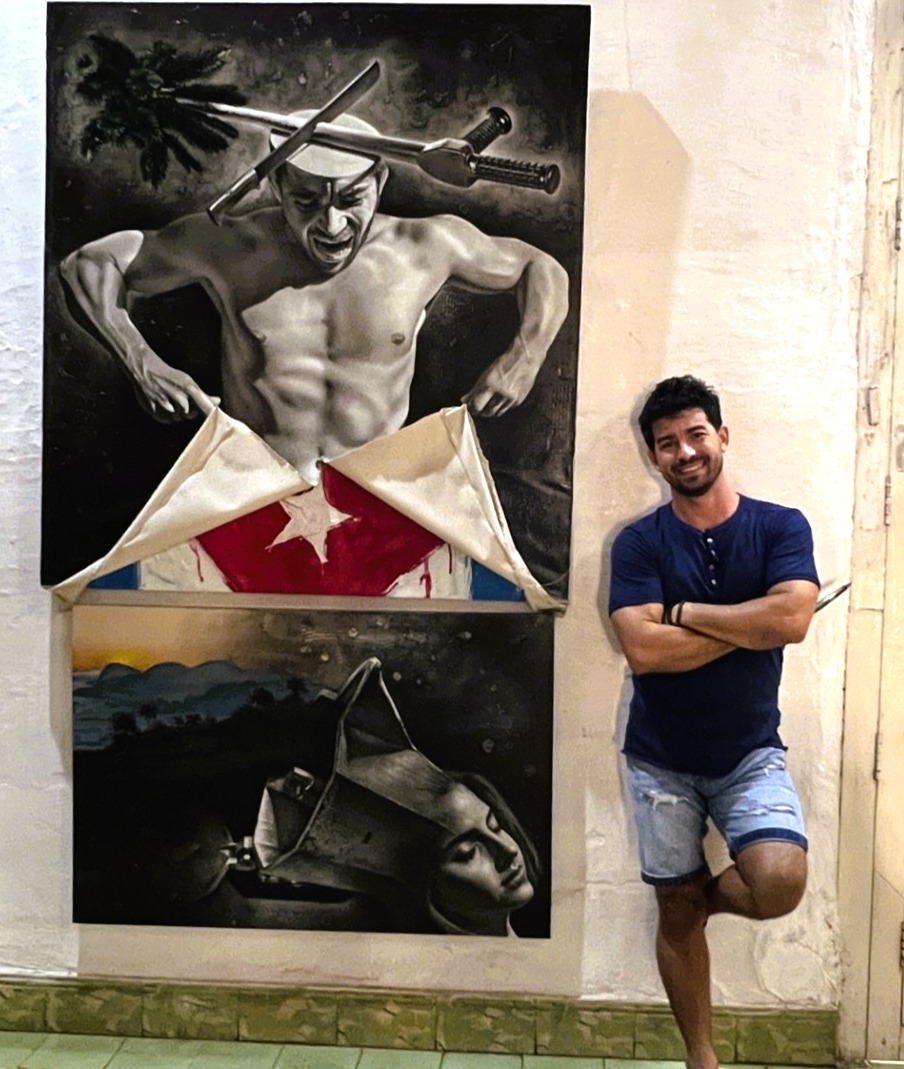
In Trinidad I met Roidley Navarro, whose self-portrait shows his skull sliced open and the Cuban flag torn from his torso. “It’s my medium to say something about Cuban street protests and clashes with the police,” he told me. He sells almost exclusively to tourists; his neighbors can’t afford art on a government salary.
The crafts carry the same tension. “These are old traditions that thanks to tourism we are recuperating,” my Trinidad guide Mariurgi Juviel Vera told me. Is that preservation or dependency? Honestly, both. But I know which happens if the visitors stop coming, and it isn’t preservation. Which is why now is the time to go. Every maker here runs a private business, and US rules steer Americans away from state-owned hotels anyway. Abstaining doesn’t redistribute anything. It just removes you.
What to Expect
Headlines often portray Cuba as a country in collapse, citing frequent blackouts, fuel shortages, empty restaurants, and quiet streets. When I later checked in with José Pineda, he acknowledged the hardships. “That is part of the reality that I don’t want to dismiss,” he said. “But there is a Cuba very resilient and alive and coping with all the difficulties of life, with happy faces.”
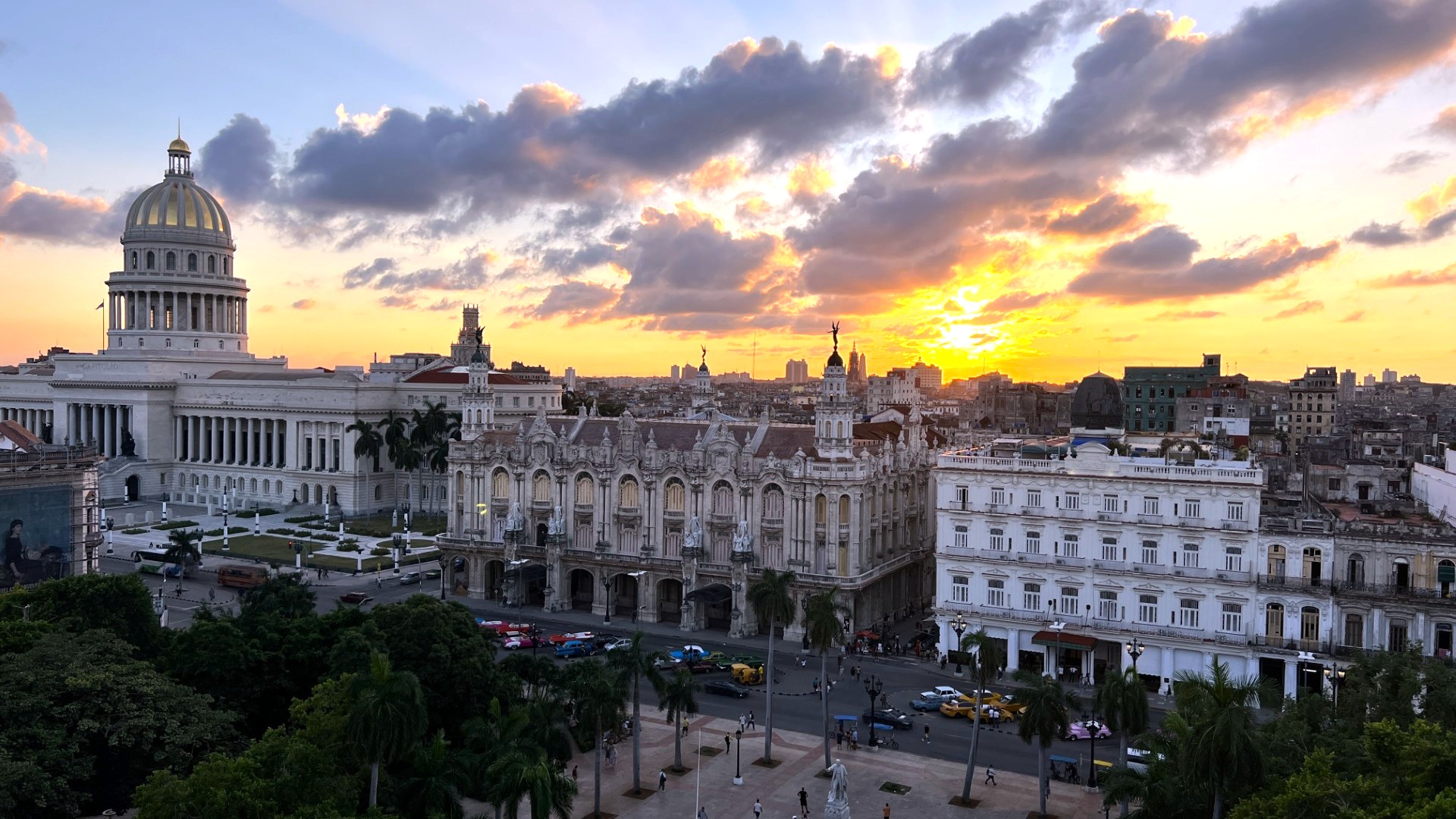
I witnessed the joie de vivre José described at Fábrica de Arte Cubano (fabricadeartecubano.com), the Cuban musician X Alfonso’s cultural complex housed in a former cooking oil factory. On the Friday night I visited, the line stretched out the door as stylishly dressed visitors gathered to socialize and experience provocative art together.
The practical picture, from an operator who was on the ground this summer: The properties he books have invested in solar panels and generators. Restaurants are open, and many are actively courting local customers now that fewer foreigners come. Transportation companies stockpile fuel, which arrives largely through the private small and medium enterprises (the mipymes – micro, pequeñas y medianas empresas) that run outsourced gas stations.
Logistics
My advice: Go with a licensed specialist. Travel to Cuba for pure tourism remains prohibited for Americans, and the Treasury Department’s Office of Foreign Assets Control (OFAC, (ofac.treasury.gov) rules change. The paperwork comes in two halves, and travelers routinely confuse them. Americans travel under a general license administered by the OFAC, which lists 12 qualifying categories. A licensed operator issues a travel affidavit documenting it.
The Cuban government grants a Cuban tourist visa, now issued digitally alongside a customs declaration, typically about five days before departure. “Sometimes people get to Cuba and they say, ‘I have a Support for the Cuban People visa,’” José said. “That is not correct.” The US category is not a visa. You need both documents.
Cuba has no meaningful credit or debit card infrastructure. It is a cash economy that takes US dollars and euros, and the government requires travelers to declare amounts over $5,000. Bring more than you think you need. One quirk worth knowing: If you are moving money in advance of a trip, keep the word “Cuba” out of the transaction memo, or your bank will freeze it, pending investigation.
I came home with a dress. I also came home with a rearranged idea of what a country under pressure produces, which turns out to be the thing actually worth carrying through customs. Scarcity did not suppress Cuban design. It gave it a vocabulary: salvage, improvisation, adaptation, and an insistence on beauty that reads -- once you understand what it costs -- as a form of defiance.
Find travel journalist, host, and producer of The Design Tourist Karen LaBlanc on Instagram @the_design_tourist.