Ruins and Archaeology

Angkor Wat frontage road

On May 3, Cambodia banned motor vehicles from the road that runs directly in front of the 12th-century Angkor Wat complex, a UNESCO World Heritage Site near Siem Reap. There were concerns that vibrations from buses, trucks, etc., might cause damage to the Hindu and Buddhist temples and other structures.

The main road, which is only 985 feet long, is now open only to foot and bicycle traffic. As of press time, all other roads in the 160-square-mile site still allowed motorized vehicles.
Prehistoric cave art with Andante

In southwestern France, I took the tour “Dordogne — Prehistoric Cave Art” with Andante Travels (The Clock Tower, Unit 4, Oakridge Office Park, Southampton Rd., Whaddon, Salisbury, England, SP5 3HT, U.K.; in US, 888/331-3476, c), Sept. 7-14, 2015.

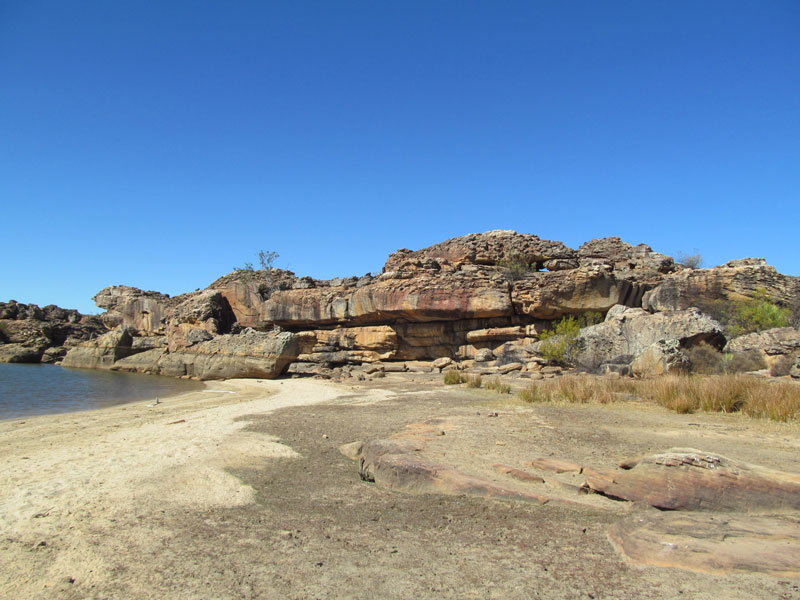
I had heard of the Lascaux cave, which was the main reason I went on this tour. However, I had no idea that there are hundreds of various caves and rock shelters in Western Europe that show signs of humans dating back 40,000 years.

Kanjing Temple, China

Visitors to the Longmen Grottoes near the city of Luoyang in Henan Province, eastern-central China, now can enter Kanjing Temple, which opened to the public on March 10. 

Kanjing Temple, carved into a limestone cliff more than 1,000 years ago, contains 29 life-sized sculptures of Buddhist monks, now protected behind glass. Since 1953, the public has rarely been allowed into the temple for fear of damage to the artifacts.

Japan Archaeological Gallery

The “Japan Archaeological Gallery” at the Tokyo National Museum (13-9 Uenokoen, Taito, Tokyo 110-8712, Japan; phone +81 3 3822 1111, www.tnm.jp/?lang=en) reopened Oct. 14 after nearly a year of renovations.
The gallery has artifacts dating from 14,000 BC (such as stone tools) to the Edo era (1603-1868), including armor and items made of stone, wood, ceramic and metal. It also holds temporary exhibits. The Tokyo National Museum houses four more galleries and special exhibits.

Greek sites price hikes

The Greek Archaeological Council decided on Oct. 14 to increase entry prices to some of Greece’s most popular tourist sites starting Jan. 1, 2016.

Among fee hikes are the following. In Athens, the entry fee to the Acropolis will rise from €12 to €20 (near $22), and the National Archaeological Museum will cost €10. The fee goes from €6 to €15 at the Knossos archaeological site in Crete and from €8 to €12 at the archaeological site and museum at Mycenae. The Archaeological Museum of Heraklion will cost €10.