Tigers, devils, and convicts. Rainforests, mountains in mist, and the Aurora Australis: These were more than enough to draw us to Tasmania. After several days at the Australian Open at the end of January 2026, we opted to fly the short distance from Melbourne across the Bass Strait on Virgin Australia, landing in Hobart to begin a week of climbing, hiking, and touring historic sites. The cost of the flight for the two of us was $296.
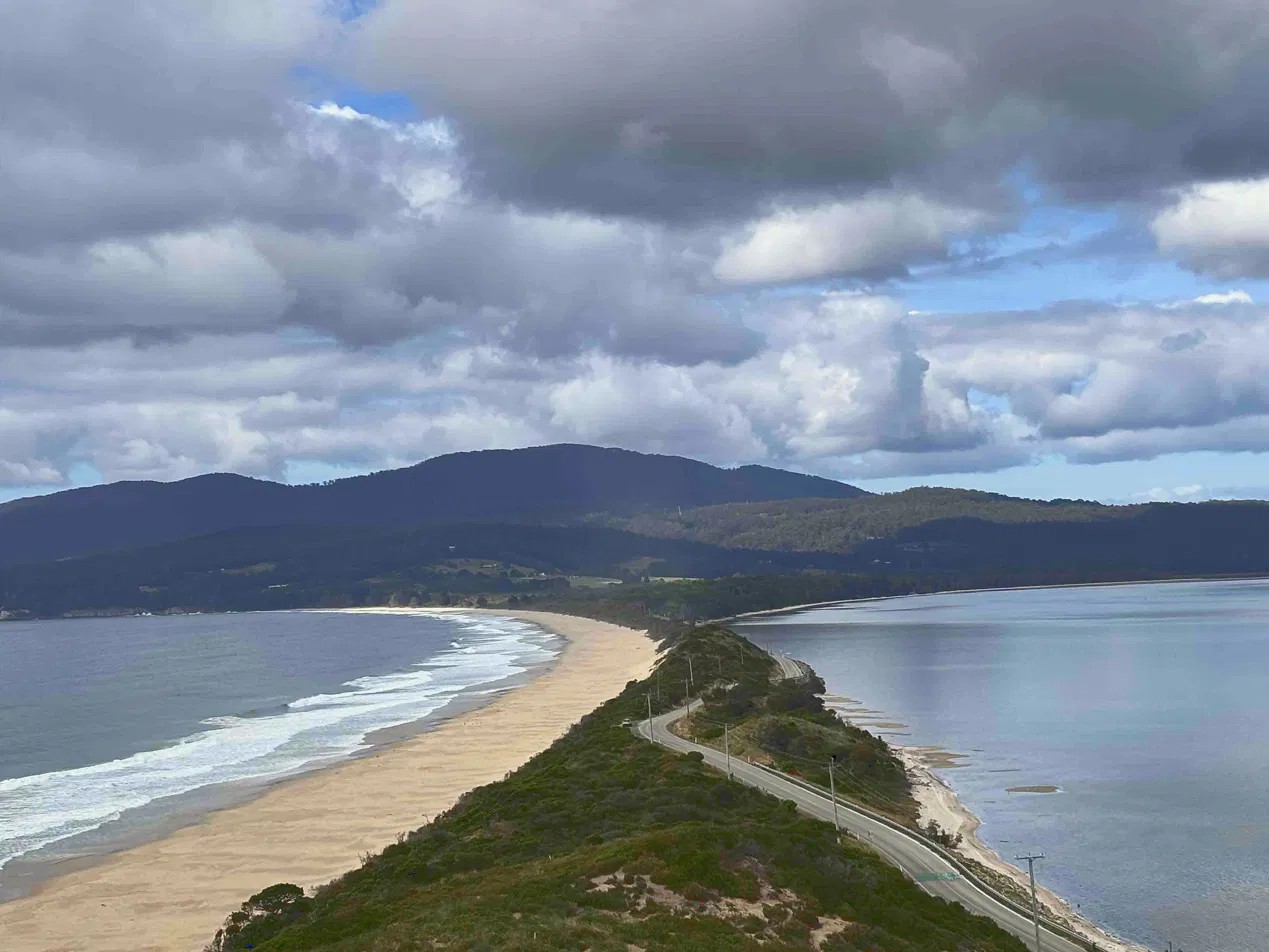
Tasmania’s story as a singular biosphere began more than 11,000 years ago at the end of the last glacial period when rising waters left it isolated from the Australian mainland. Aboriginal Tasmanians, as well as species of plants and animals, developed independently over the millennia. Now, stories of the rare Tasmanian devils and the now-extinct Tasmanian tigers are intrinsic to Tasmanian identity. European exploration began in 1642, when Abel Tasman, sailing for the Dutch East India Company, named the island Van Diemen’s Land after Anthony Van Diemen, the Governor-General of the Dutch East Indies. James Cook, and other British and French explorers followed, leading the way for seal hunters, whalers, and settlers who saw the many advantages of this remote locale.
Especially appealing to independent settlers was the abundance of free labor provided by British convicts in the 19th century. Nine Aboriginal nations were well established by the time of British control in the early 1800s, and within a few decades their population was decimated by war and disease.
Hobart
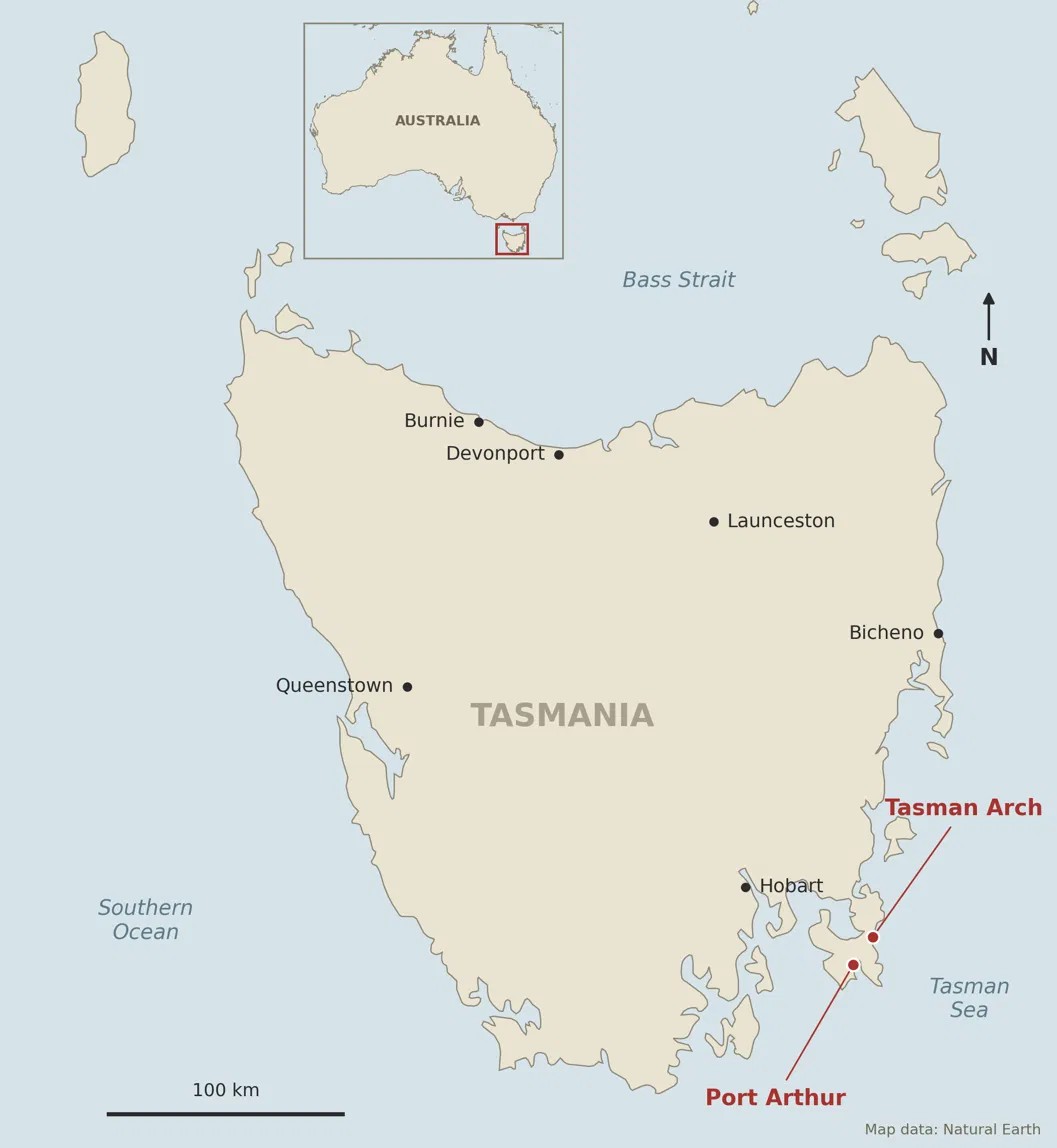
Having less than a week to spend, we chose to fly, although car ferries do operate from Geelong, near Melbourne, to Devonport. Those seeking outdoor adventures and spectacular views of the night sky, which is occasionally illuminated by the southern lights, can bring their four-wheel drive vehicles for overlanding and camping. We stayed six nights for $910 total at Hobart’s Customs House Hotel (customshousehotel.com), named for the building across the street that is now Tasmania’s Parliament House. Quaint and comfortable, it was the perfect location for exploring the waterfront and the Salamanca Market, which on Saturdays bustles with 300 stalls offering food, crafts, and artisan creations. The hotel’s restaurant served an included English-style breakfast and made a convenient spot for dinner, averaging $25 each, when we returned from all-day excursions. We enjoyed other meals at nearby pubs and restaurants within walking distance.
We booked our excursions through Viator (viator.com) and appreciated the chance to meet other travelers through their small group tours in comfortable vans to the sites we had outlined in our itinerary. Animals made sudden appearances on Tasmania’s roads, as dead wallabies along the shoulders made apparent, adding to the reasons we were happy not to be driving.
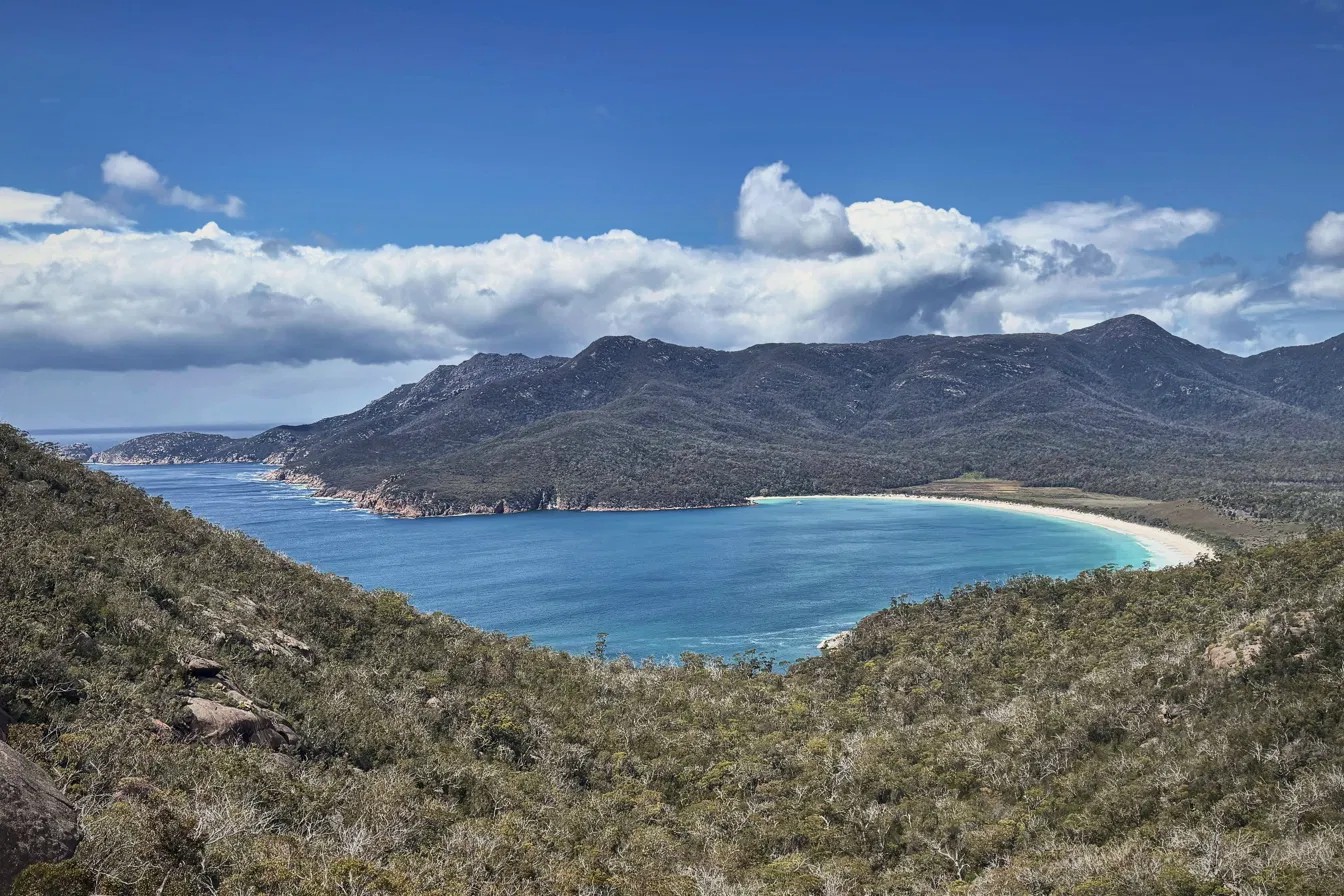
Tasmania’s east coast, with its magnificent vistas, was a top destination. We enjoyed a day trip to Freycinet National Park (parks.tas.gov.au), which included hiking to Wineglass Bay and Mt. Amos for spectacular views and stops at Honeymoon Bay and Cape Tourville Lighthouse. Another day took us to a temperate rainforest and Mavista Falls followed by a stop at the Cape Bruny Lighthouse. Oyster lovers among us relished the fresh offerings at the roadside bars where we stopped.
Because we wanted to see exotic Tasmanian animals close up, we took an excursion to Bonorong Wildlife Sanctuary (bonorong.com.au), which has an entry fee of $33. Animals are rehabilitated and nurtured here in natural surroundings. Wallabies romp free, presenting themselves to be fed and petted like domesticated animals, while the elusive, nocturnal Tasmanian devils sleep away the day, only partially glimpsed inside logs and dens. Wombats and Tasmania’s exotic birds are also in residence. Afterwards, a stop at Mt. Wellington gave us magnificent views of Hobart and the harbor, and from there we traveled to the historic town of Richmond.
The Legacy of Penal Colonies
In Richmond, we confronted the full reality of Tasmania’s past as a penal colony. The town’s graceful Georgian architecture and its attractive center with shops and pubs contrasted with the cold gray stones of the well-preserved Richmond Gaol (richmondgaol.com.au). Now a museum, the prison complex included the gaoler’s (jailer’s) house, areas for men and women, punishment cells, flogging areas, and isolation cells. Inmates’ stories and displays of chains and cat-o-nine tails opened our eyes to the grim underbelly of this idyllic land. The gaol’s most notorious inmate was Isaac “Ikey” Solomon, the London fence and thief said to have inspired Charles Dickens’ Fagin in Oliver Twist. The three-day Viator package, roundtrip transportation with commentary by the drivers, but not food or certain entry fees, came to $619 per person.
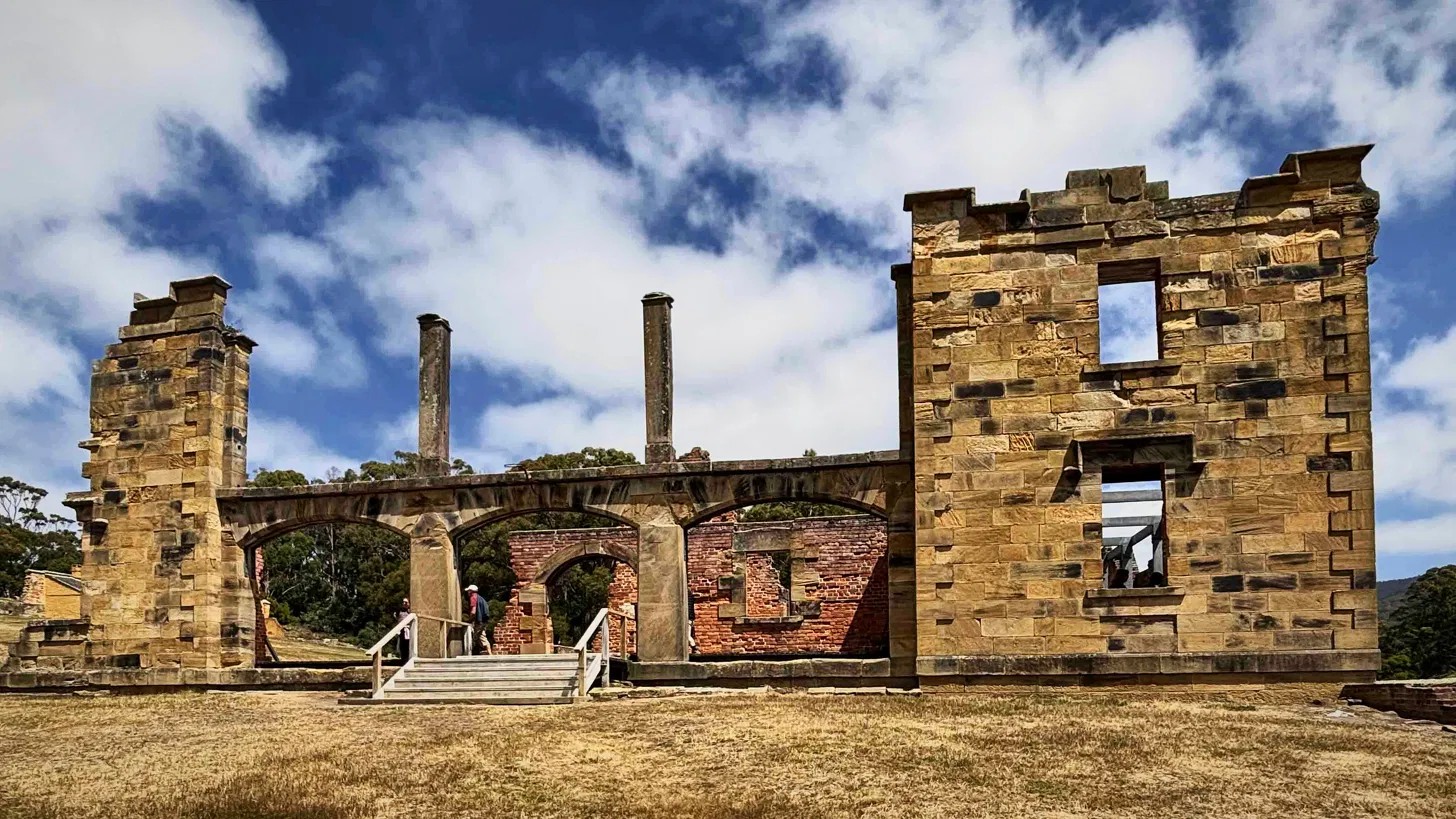
The horrors on display at the Richmond Gaol helped prepare us for a tour of Port Arthur (portarthur.org.au), a massive 19th-century prison for repeat offenders. We booked this excursion separately through Viator for $224 per person. A van picked us up at our hotel and drove us just over an hour to the visually stunning Tasman Peninsula. The dramatic coastal beauty, forested hillsides, and lush gardens of this UNESCO World Heritage Site contrast dramatically with the story that unfolded within the prison complex. Inmates here spent long days in backbreaking and sometimes deadly labor logging, mining, and shipbuilding. This site offers a thorough education through exhibits, stories, and interactive activities.
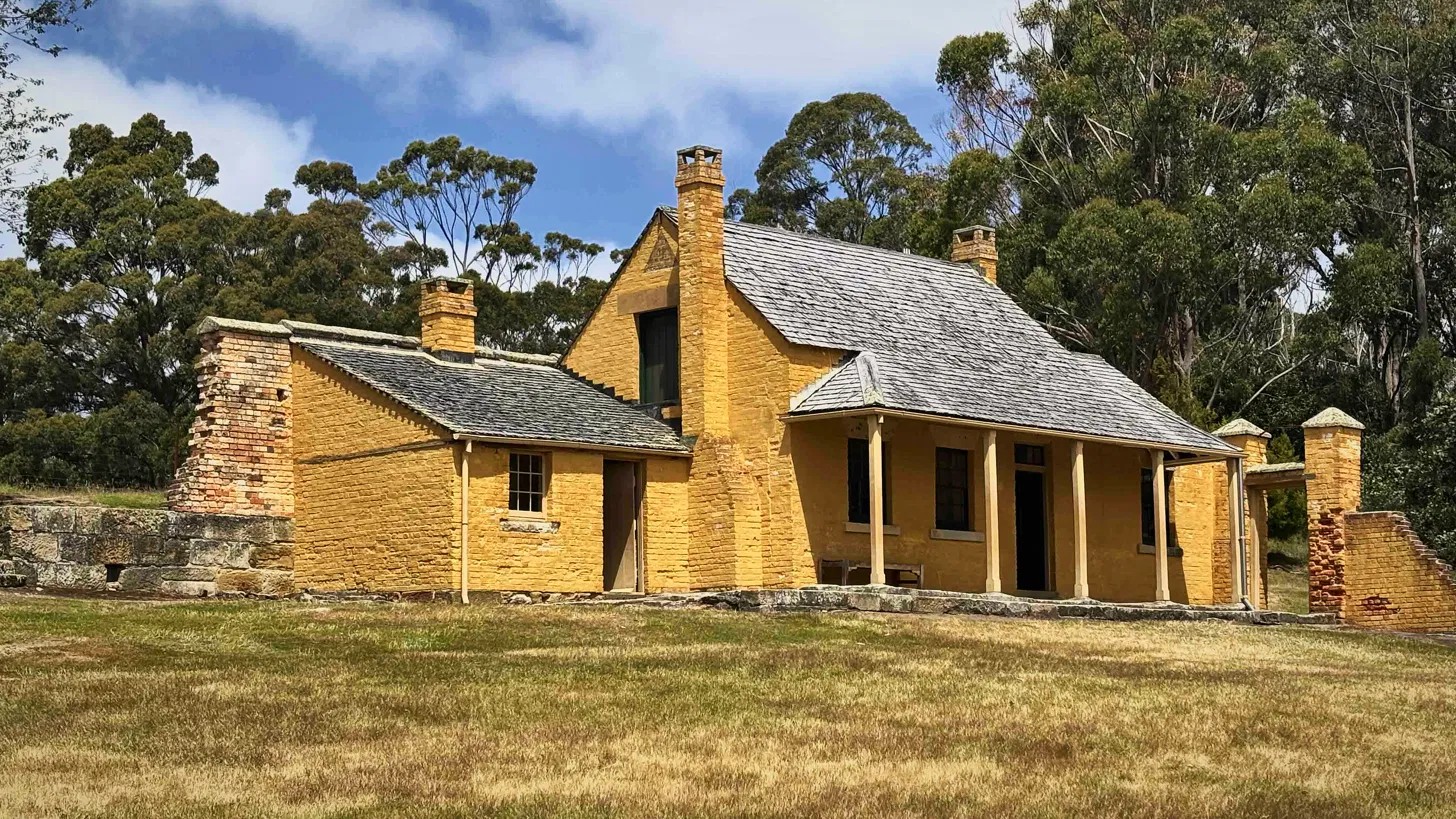
Our excursion to Port Arthur threw into bold relief Britain’s 19th-century answer to its growing numbers of impoverished criminals: transport them to the farthest point of the expanding empire.
An otherwise pleasant harbor tour aboard a ferry, included in our tour package, further exposed layers of cruelty as we sailed past Point Puer, the boys’ prison, where children as young as nine were kept in what we would now call a reformatory. The ferry made a stop at the aptly named Isle of the Dead, where passengers could disembark for a guided half-hour walk among the graves of prisoners, guards, and settlers.
Our journey back included a stop at Remarkable Cave, where a short descent revealed a tunnel formation framed by sheer cliffs and crashing waves. Returning to our comfortable Customs House Hotel, we felt the weight of history as we processed the stories of Port Arthur and the British transport of prisoners.
Tasmania Today
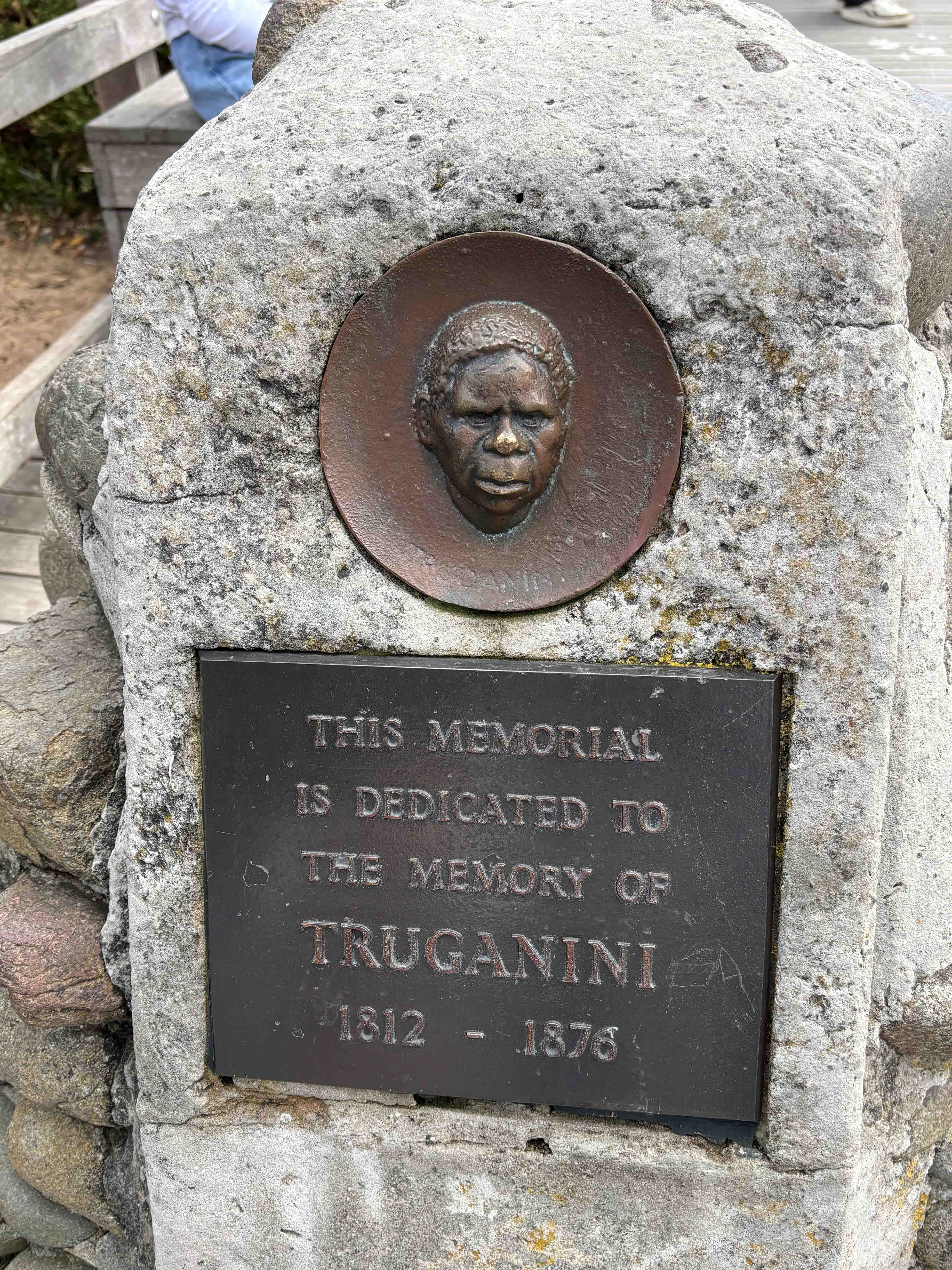
Softening the impact of the tales of misery and degradation were the stories of those who, once freed, chose to remain in this remote outpost rather than sail the 13,000 miles back to England. Here in the dramatic grandeur of this wild milieu, these hardworking cast-offs established farms, built towns, and raised families. Some crossed the Bass Strait to the Australian mainland, but those who remained in Tasmania created a society of kind-hearted and relaxed people that interestingly enjoys a very low crime rate. Claiming convict heritage is now a badge of honor.
Contemporary Tasmanians, acknowledging the controversial and complicated history, honor the island’s Aboriginal roots by teaching Indigenous history in schools, protecting sacred sites, and adopting dual geographic names. There is also a strong green movement working mightily to protect the fragile systems on land and sea that are threatened by environmental challenges. From vast wilderness areas and natural beauty protected by a national park system to the gripping stories of its past, Tasmania offers an extraordinary experience for curious travelers.