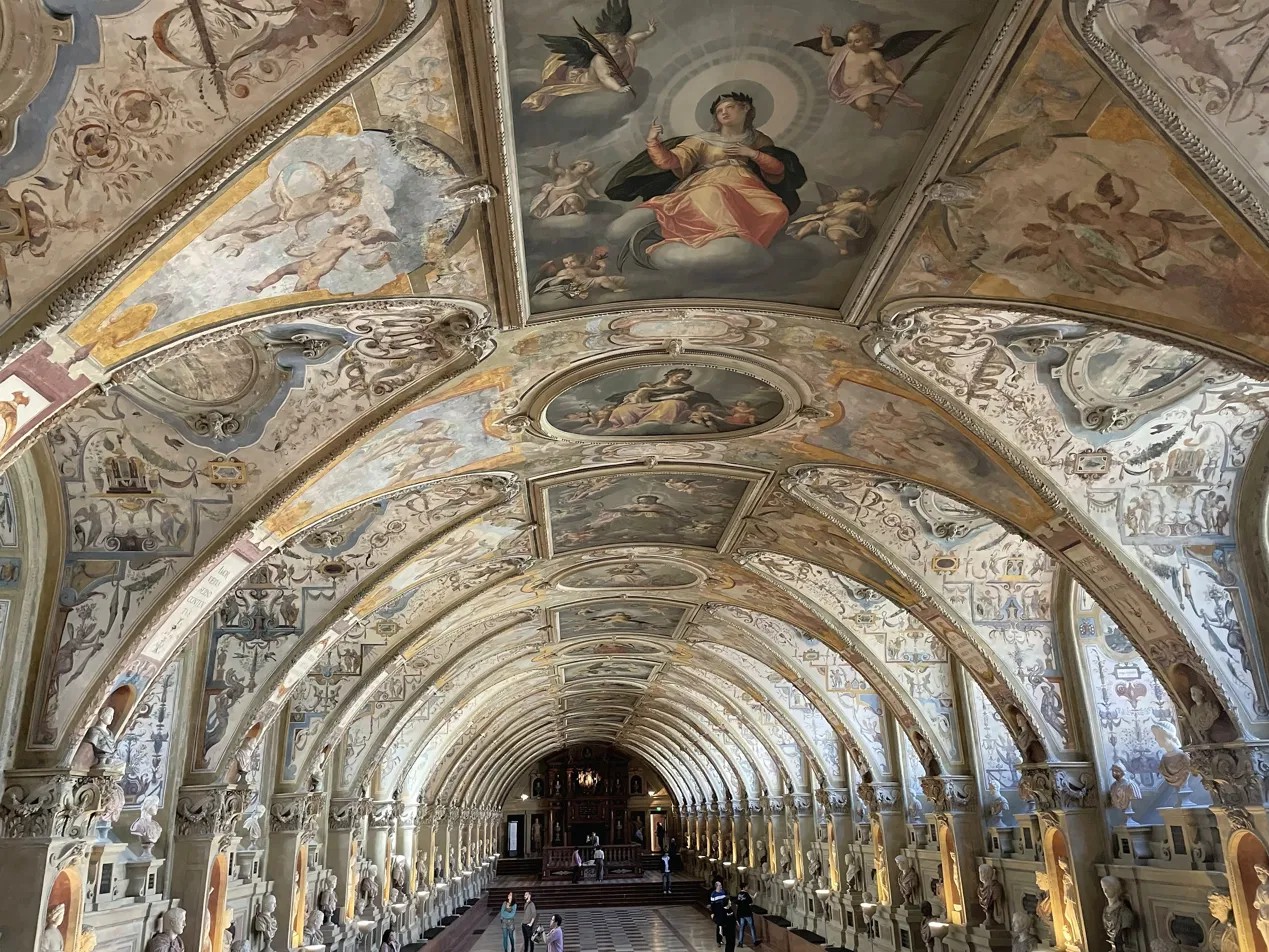
My husband and I love classical music and opera and wanted to go on a music tour. Great Performance Tours (greatperformancetours.com) had a Salzburg/Munich trip in April 2025 timed around the Salzburg Easter Festival, providing concert tickets, hotel, transportation to venues, and some meals with a group of only 12 travelers. There was plenty of free time during the day and since we had never been to Salzburg or Munich, it was a great opportunity to combine music performances with city sightseeing.
Salzburg
We arrived in Salzburg a day before the tour, which gave us time to acclimate and do some sightseeing before our first concert. Our hotel, the Imlauer Hotel Pitter (imlauer.com/hotel-pitter-salzburg) was in the New Town, close to the Salzach River and Mirabell Park, a lovely small park full of interesting trees, flowers, fountains, and statues.
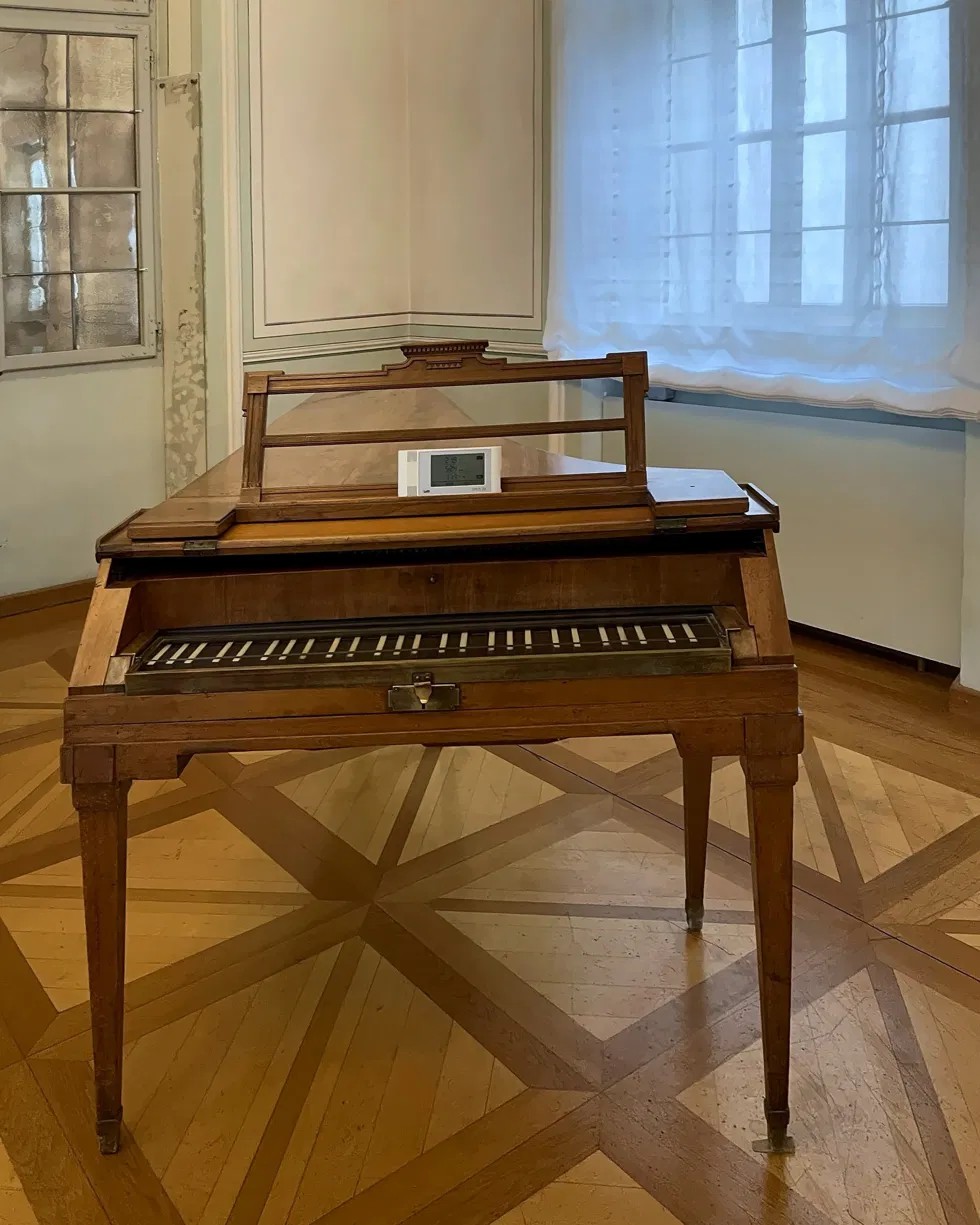
Close by was the Mozart Residence (mozarteum.at/mozart-museen/mozart-wohnhaus), where Mozart lived with his family from 1773 to 1780. Its ballroom was used by Mozart’s father Leopold for concerts as well as for tutoring. We saw a 1782 pianoforte that Mozart used for his concerts around town and listened to the audio guide, which augmented the information on the walls. Mozart is one of my favorite composers so it was very meaningful and fulfilling to see where he lived and view his piano.
It is possible to walk into the Old Town across the Salzach River, but be prepared for an uphill and somewhat confusing walk. We had a great time walking and enjoyed the street food and people watching. We went into the Kollegienkirche (kollegienkirche.at), a UNESCO site. This enormous, white church with interesting side paintings and no pews is celebrated for its Baroque architecture and is a venue for the Salzburg Festival.
On another day we returned to the Old Town to visit the Salzburg Cathedral (salzburger-dom.com), another UNESCO site, called “The Dome.” Built in the early 1600s atop the remains of several previous churches, it is considered the first early Baroque church north of the Alps. The dome was bombed in 1944 and rebuilt magnificently in 1959.
We took the nearby funicular to the HohenSalzburg Fortress (festung-hohensalzburg.at) where we focused on the tower and the prince’s apartments. I learned that the nearby salt mines provided the incentive to build here. Salt, though cheap now, was a luxury item, and pre-refrigeration, it was necessary to preserve food.
The area was ruled by the Prince-Archbishop of Salzburg (the religious and secular were combined). The Prince-Archbishops were extremely wealthy, which was evident in the private apartments. The furniture was gone, but the beautiful ceramic heater and the gold decorations on the walls survived.
I could not pass up going up to the tower. I did not count the many steps on the circular stairway. On the way up I saw the grate to the dungeon and felt the gloomy atmosphere. At the top, the views of the mountains and the city were fantastic.
My favorite dinner in Salzburg was at the Pitter Keller restaurant in our hotel. It was an adorable, rustic-looking restaurant, which had been in existence for 160 years and served traditional Austrian food. I had beef goulash with dumplings and dinner for two was $38. We did not have reservations and were lucky to get a table. I strongly suggest making a reservation.
All our concerts were at the Great Festival Hall across the river in the Old Town. It is a modern hall with one balcony and very good sight lines. On our first night we heard Mendelssohn’s “Elijah” with an excellent choir, orchestra, and soloists.
The next day we had tickets to a working rehearsal of the Mahler Chamber Orchestra’s concert that we were to hear performed later in the evening. The program consisted of Grieg’s “Peer Gynt Suite No. 1,” Tchaikovsky’s “Violin Concerto in D Major,” and Shostakovich’s “Symphony No. 9.” The violin soloist Augustine Hadelich was outstanding and the performance was better for having heard the rehearsal.
On another night, we heard Mahler’s “Symphony No. 2 (Resurrection).” This symphony requires a huge orchestra and was fun to hear and see live. Our final Salzburg performance was the Russian opera “Khovanshchina,” which was four hours long. I loved the many lovely Russian folk choruses but did not like the staging or the almost unreadable super titles.
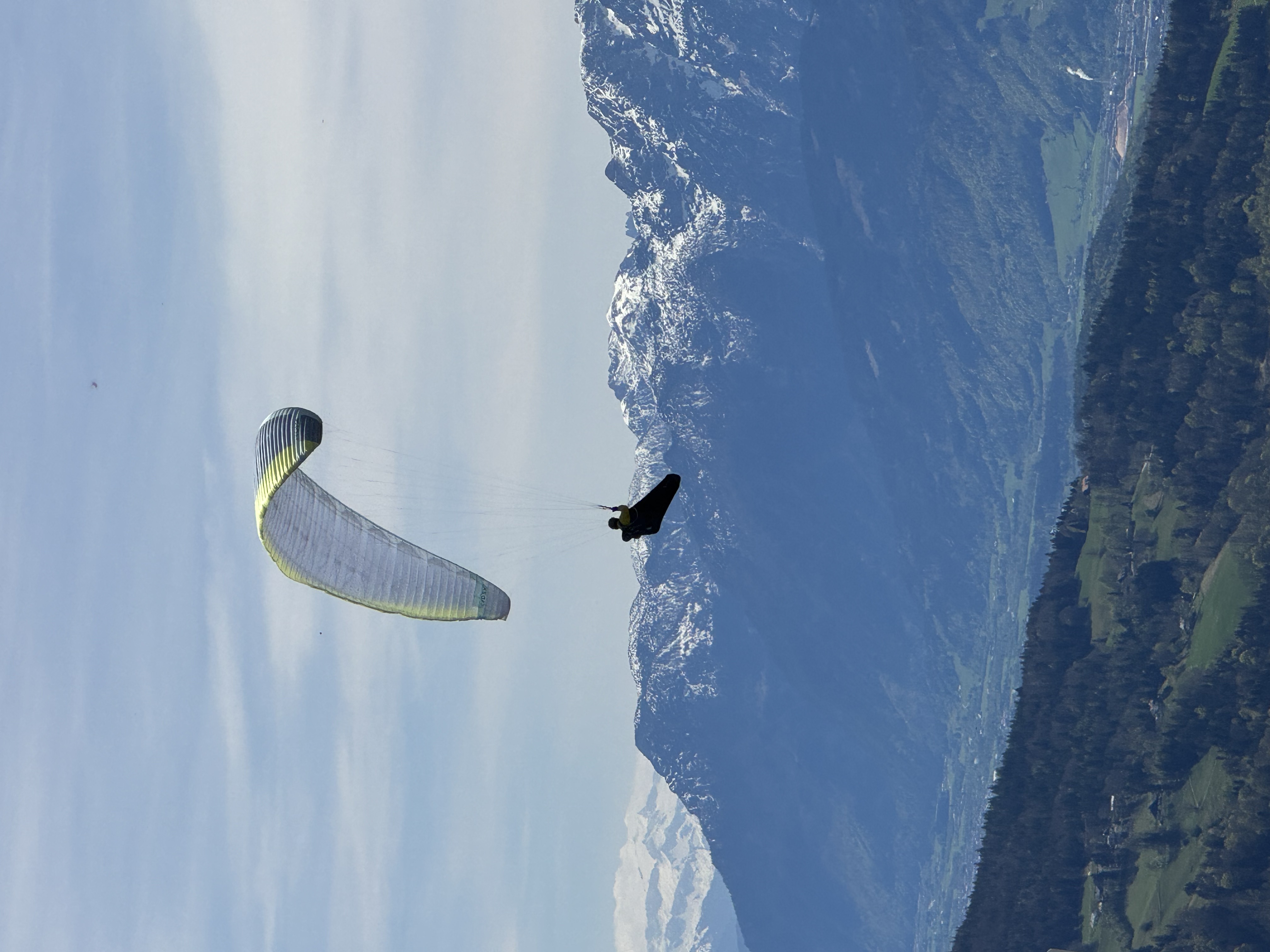
On Easter Sunday, the group had an excursion into the mountains for breathtaking views and a light lunch at Hotel Zistelalm (zistelalm.at) in Gaisberg. The mountains were bathed in sunshine and locals took advantage of the fine weather to hang glide. It was a delightful scene.
Munich
Our group traveled by bus from Salzburg to Munich where we stayed at the Hotel Vier Jahreszeiten (kempinski.com/en/hotel-vier-jahreszeiten). The hotel was within walking distance to Marienplatz, the city’s main square that dates to 1158. Like other European town squares, it had a government building, churches, and lots of shops. The buildings that survived World War II were beautiful. The government building, which needed cleaning, was very ornate and adorned with a clock with figures that moved at 11, 12, and 5 o’clock. We enjoyed watching the figures move and seeing the Alter Peter Church on the square.
The hotel was also very near the Residenz Museum (residenz-muenchen.de), which cost €15 for a ticket that included the Residence and the Treasury. I highly recommend visiting this palace, which was occupied from 1508 to 1918 by the dukes, electors, and kings of Bavaria. In the residential part of the museum, much of the beautiful furniture was original to the palace or from that time period.
The Treasury in the Residenz included precious objects that belonged to the family including crowns, reliquaries, and items such as plates and silverware. Some were more than a millennium old. The audio guide for each room had an overall explanation as well as additional information about many of the objects.
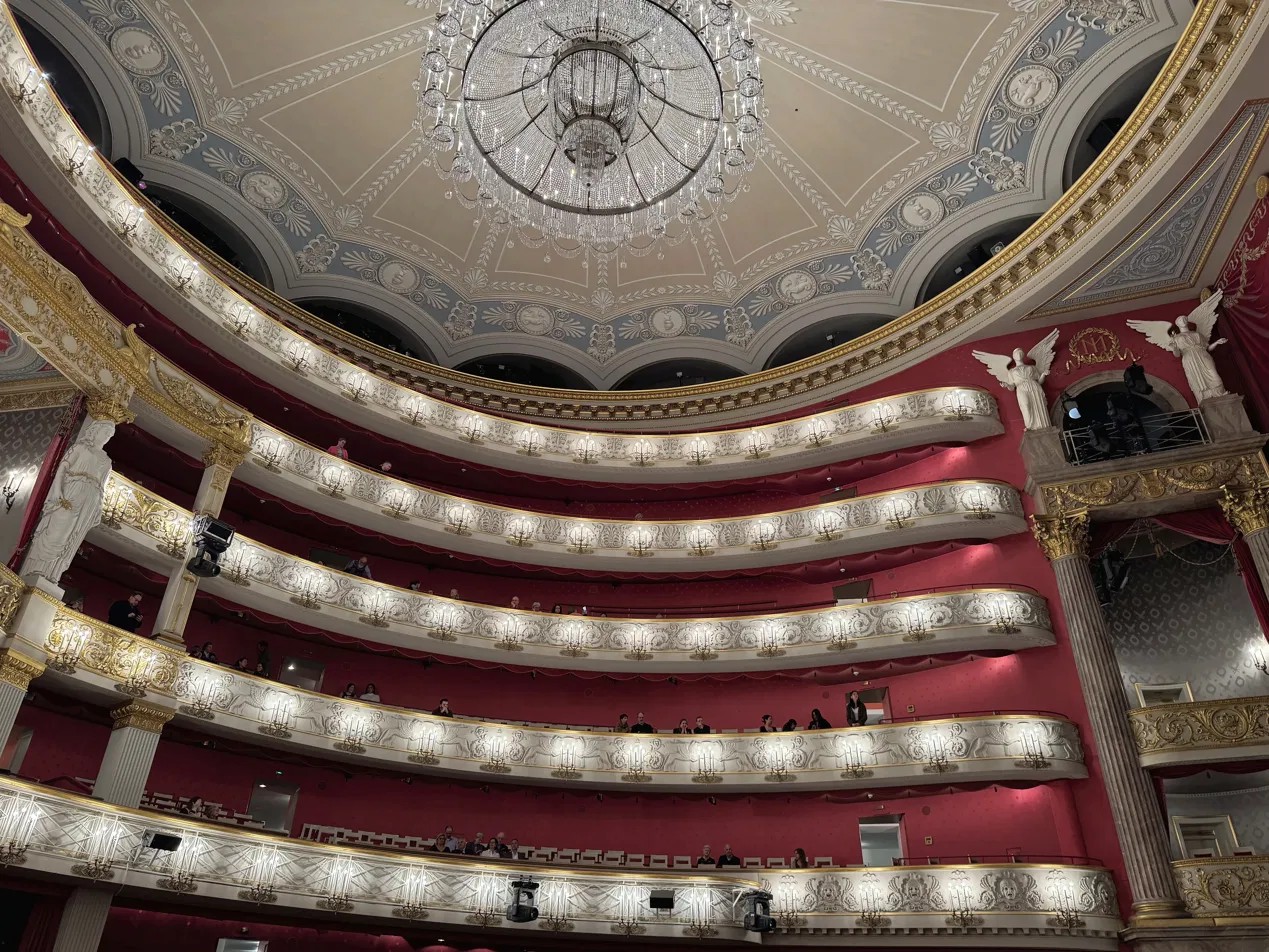
Our performances were at the Munich National Theater, a short walk from the hotel. The venue was beautiful with rows of balconies and a lovely painted ceiling. We heard Tchaikovsky’s “Pique Dame,” a beautiful Russian opera, four hours long with one 30-minute intermission. Puccini’s “Manon Lescaut” was our second opera. I enjoyed the singing very much. However, I felt that in both operas, the staging was too modern to make sense. Also, although our seats were great, the super titles were so high that I had to crane my neck to view them.
The group enjoyed a couple of dinners together prior to some of the performances. The dinners were fun but not memorable.
The tour was very well organized. The seats for the performances were all excellent and the transportation between cities and the venue in Salzburg were terrific. The only disappointment was not having lectures prior to the performances. It would have made this tour so much better.
As a final note: Both in Salzburg and Munich, no late arrivals were allowed into the concert halls.
Cost
The tour cost $14,380 for two people with double occupancy. Our business class flights on United from Fort Myers, FL, to Salzburg and back from Munich to Fort Myers were $11,945 for two.