In general, I don’t like tours. I prefer much less-structured activities and self-guided trips to interesting places. However, there are times when a tour makes sense. When my wife Maria and I, along with two close friends, decided to fulfill our long-held desire to visit the Balkans, we decided a tour was best. And what could be a better way to see parts of five Balkan countries than a lazy river cruise through the southeastern stretch of the Danube.
After some research and guidance from travel agency Cruises-N-More (cruises-n-more.com) we chose the Avalon Waterways (avalonwaterways.com) 11-day Balkan Discovery cruise for May 2025. It traveled from Budapest to Bucharest with stops in Hungary, Croatia, Serbia, Bulgaria, and Romania and included hotels and tours in Budapest and Bucharest before and after the cruise, respectively. The total cost, which included port charges, travel insurance, and pre-paid gratuities, was $13,834 for two, less a rebate of $1,100 from Cruises-N-More.
We spent our first night at the Budapest Intercontinental (intercontinental.com/hotels/gb/en/budapest). After our previous visit more than 20 years ago, we looked forward to a short city tour to re-visit some remembered spots and see many new structures around Heroes’ Square and the new riverfront Budapart District. The following day we boarded our ship, Avalon Expression, and found our cabin on the main deck spacious with a welcome French window. Our first dinner aboard featured a number of local dishes and regional wines, well prepared and served. The offerings changed daily, depending on where we were. Numerous day tour options were provided, and nightly entertainment often featured local performers.
Croatia and Serbia
Our first stop was in Croatia where we joined a walking tour of Vukovar, known for its tragic history in the 1991 Croatian War of Independence, when Croatia declared independence from Yugoslavia. We walked along the delightful Danube promenade and saw highlights including the Vukovar Memorial Hospital and the Memorial Home of Croatian Defenders.
Day four of the tour found us in Novi Sad, Serbia. As Serbia's second-largest city, it has earned the nickname “Serbian Athens” since it serves as the country’s hub of intellectual, cultural, educational, financial, and political life, much as Athens did for ancient Greece. We took a guided tour featuring Novi Sad’s Austro-Hungarian Old Town, Baroque buildings, and ancient fortifications.
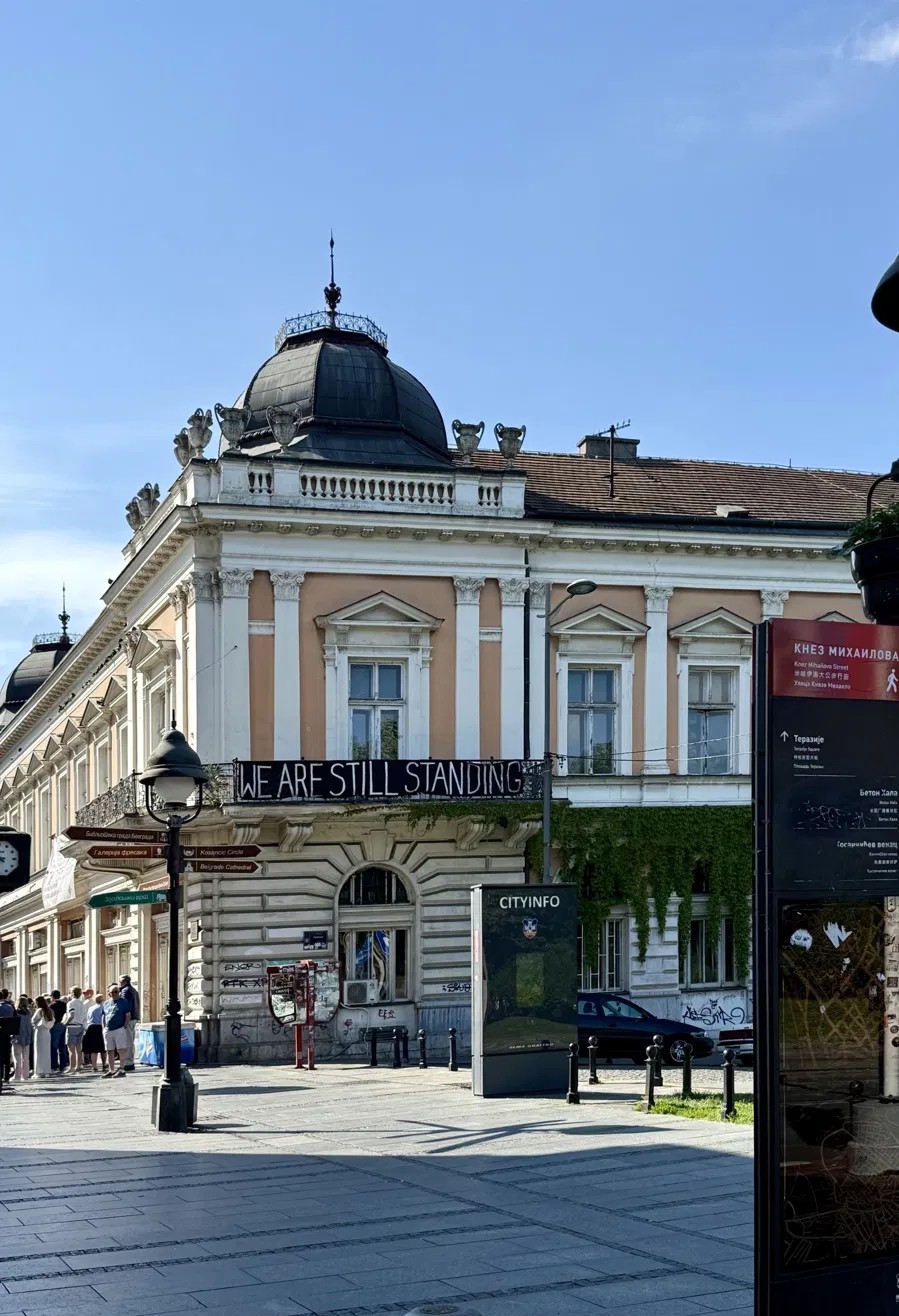
In Belgrade, Serbia, where the Danube and Sava rivers combine, the tour on our fifth day included the overlook where the rivers combine, Republic Square, Belgrade Fortress, and Saint Sava, one of the world’s largest orthodox churches.
On day six we visited Golubac, Serbia, home of one of the best-preserved medieval fortress towns in Europe, complete with iron gates, ancient artifact displays, Roman House, and an archaeological park. It is known for its tumultuous history as a medieval border stronghold and a source of conflict between Serbia and with the Ottoman Empire.
Bulgaria
Vidin, gateway to the famous Belogradchik rock formations, ruins, and Balkan beauty was our day seven introduction to Bulgaria. European Union integration has helped Bulgaria to become one of the Balkans’ fastest-growing technology hubs, with investments in software outsourcing, IT services, and even supercomputing. The country has the potential to become the regional tech leader serving both European and global markets. In addition to having a strong STEM education system, a skilled workforce, and low taxes, Bulgaria is strategically positioned for exporting to the Middle East and Asia.
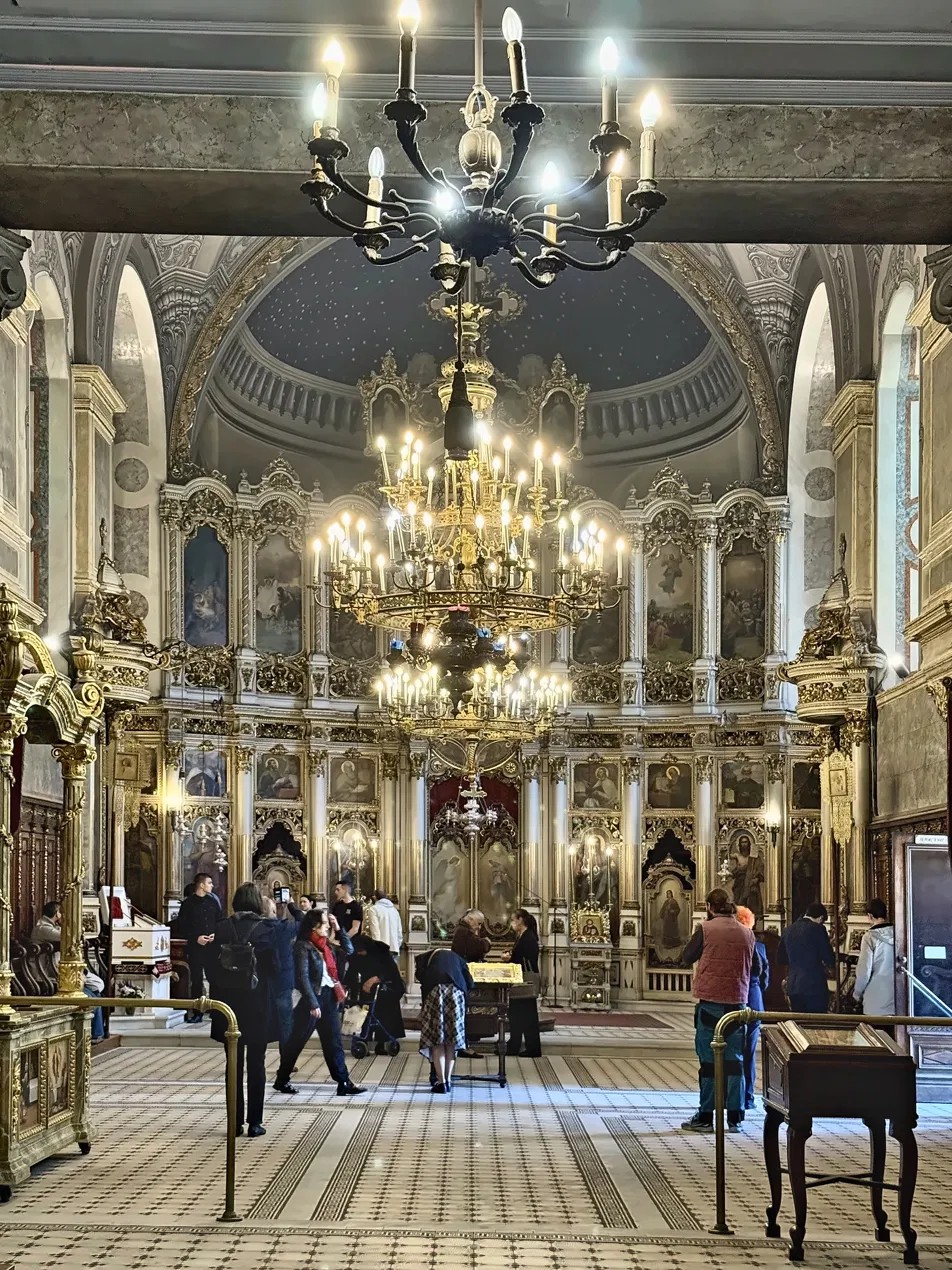
On day eight we awoke to a beautiful vista of Rousse (AKA Ruse), known as Bulgaria’s Little Vienna for its grand 19th-century Austro-Hungarian architecture. The country’s largest inland port, Rousse is home to one of the Balkan’s most impressive churches, the Holy Trinity Cathedral. The city’s oldest, it was built in 1632 and is adorned with rich Baroque iconostasis. Our tour also included fascinating Roman ruins like the first-century Sexaginta Prista Roman Fortress as well as the Pantheon of National Revival Heroes (museumruse.com/visitors), which honored hundreds of key figures from the Bulgarian National Revival.
Romania
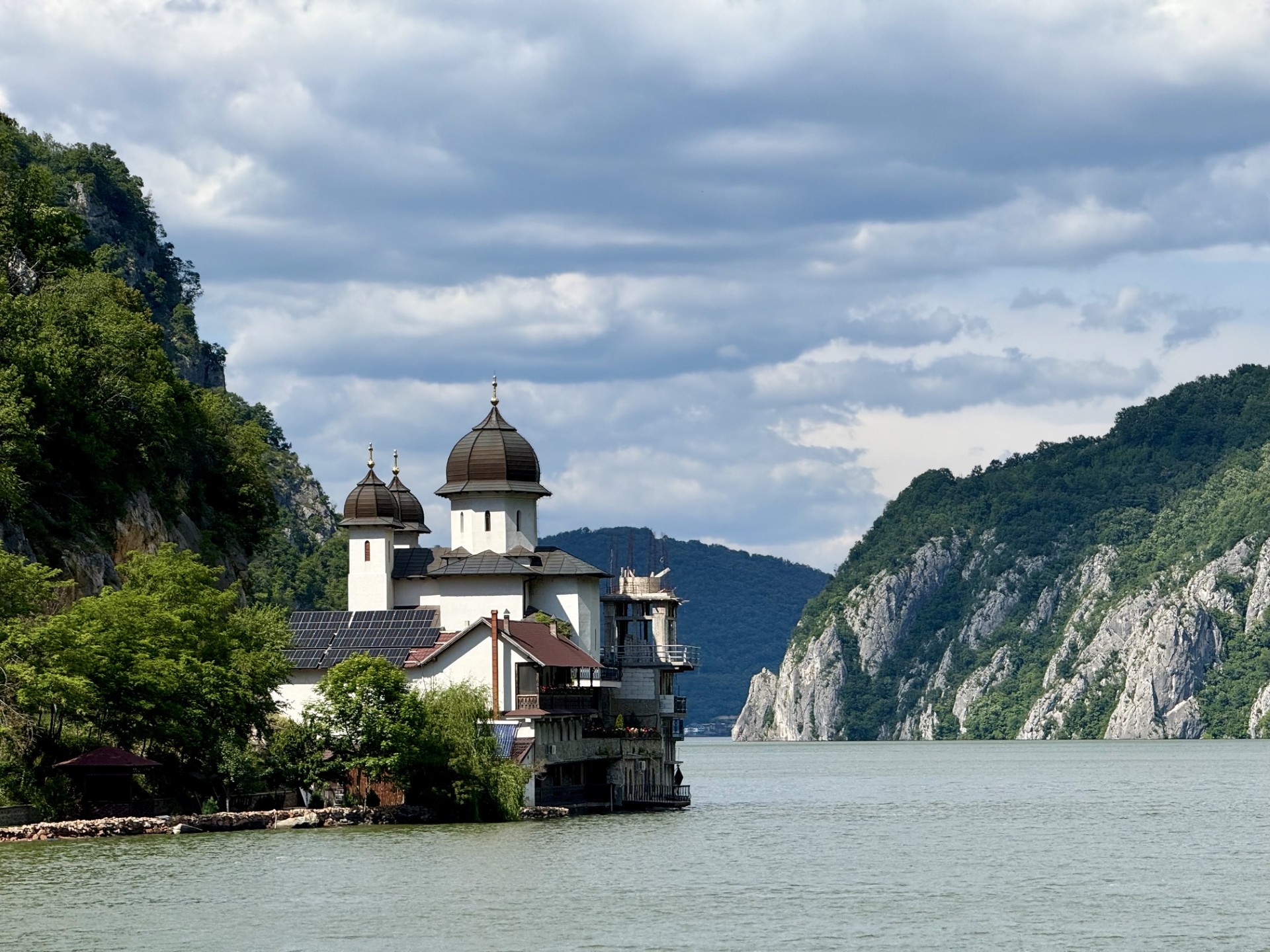
After an early morning disembarkation in Oltenita, Romania, we joined a guided bus tour of nearby Bucharest. Romania’s capital turned out to be the unquestionable highlight of our journey. We stayed an extra night at the Intercontinental Athenee Palace Hotel (ihg.com), a five-star hotel priced at $400 per night. Our three days in Bucharest gave us sufficient time to stroll along the tree-lined boulevards and parks and to see the beautiful homes, churches, and museums along Victory Avenue. A favorite of ours was the National Museum of Romanian History (mnir.ro). Other sights we enjoyed included the city’s own Arc de Triomphe, the Arcul de Triumf; Iron Gates Gorge, on the Serbia/Romania border; and Royal Palace Square, scene of the capital city’s 1989 revolution that overthrew the Communist dictator Nicolae Ceausescu.
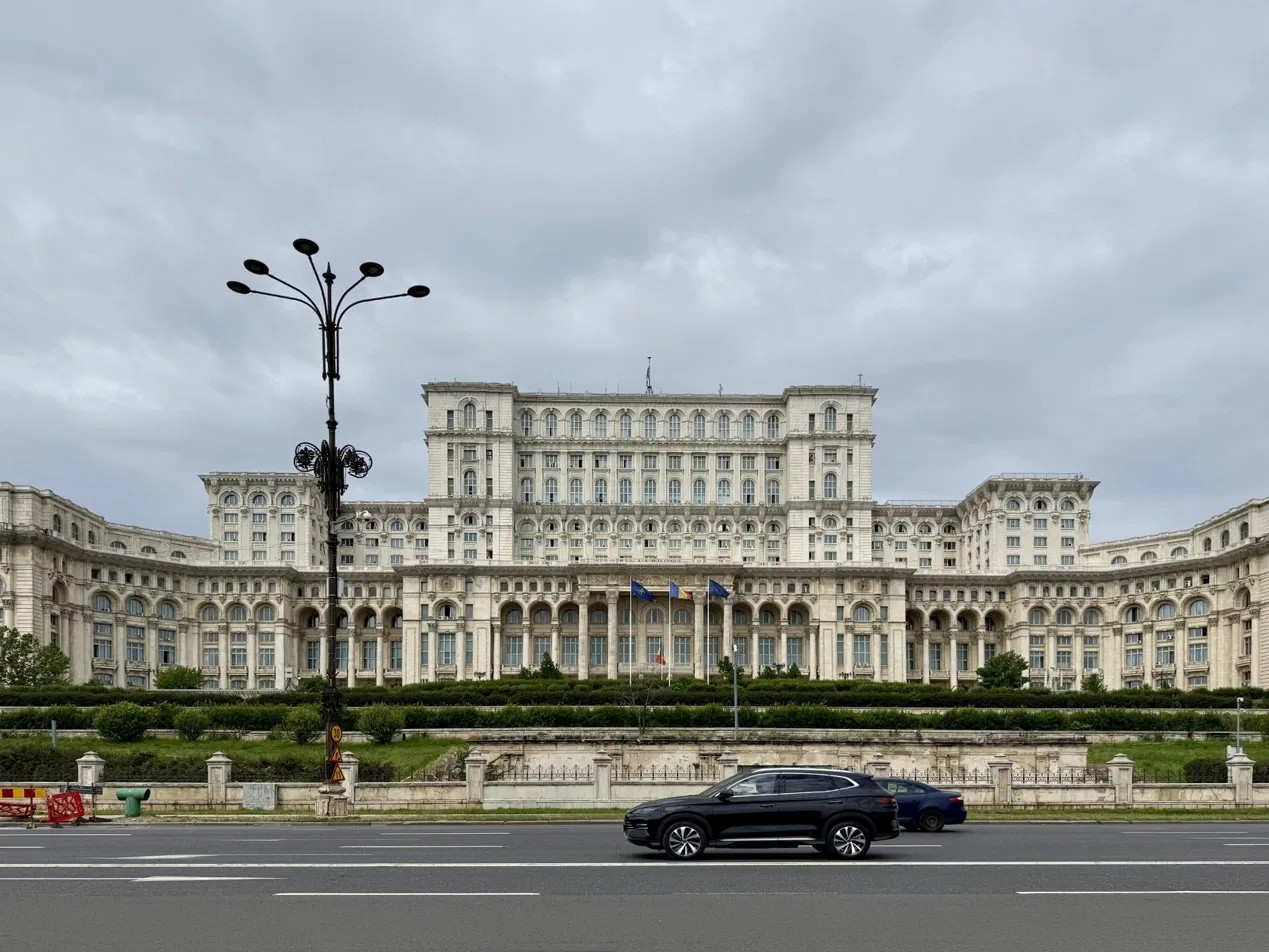
A 15-minute walk found us at the massive Palace of the Parliament, by area the second-largest administrative building in the world after the Pentagon. It was a massive monument to Communist excesses, ordered by Ceausescu in the 1980s. Building it razed a large swath of the historic center and dozens of churches, displaced 40,000 residents, and forced the nation into severe poverty to finance it. Inspired by the monumental architecture of North Korea, the massive 12-story building contains 1,100 rooms, 30 large halls, and an eight-level basement with tunnels that reportedly connect to other government structures.
Our favorite restaurant in Bucharest was Ceaun (ceaun.ro), a lively, relaxed spot serving generous portions of traditional Eastern European comfort food at reasonable prices on an open-air terrace. The dish we like the most was smoked eggplant, served in a variety of ways, but best as a salad or in baba ghanoush.
Final Thoughts
All in all, I would highly recommend the rather pricy Avalon Balkan Discovery River cruise. The one negative for us was that we felt discouraged or unable to wander off on our own to find interesting, vest-pocket museums, coffee shops, bakeries, and the like on our own. We were only able to do this twice. The beauty of river cruising is that the boats usually stop in the middle of towns and cities as they were built for river access. River tour operators should take advantage of this fact to allow passengers to wander without a formal tour guide.